Editorials
Leaving a Trace on the World
Some things are so beautiful that they imprint themselves on your consciousness. At Lebled Soloviev, we take that feeling as a call to honor them in literal print form.
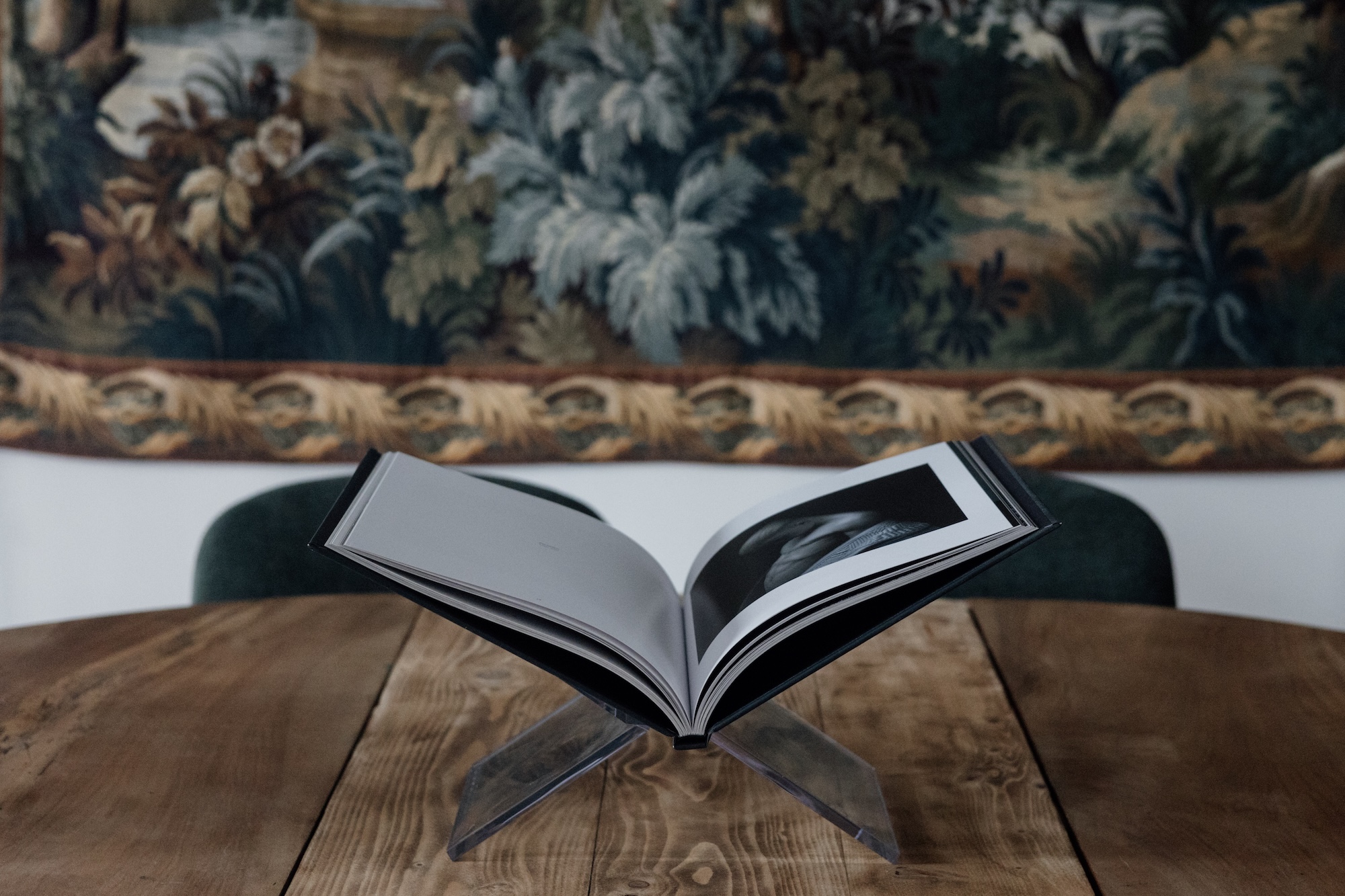
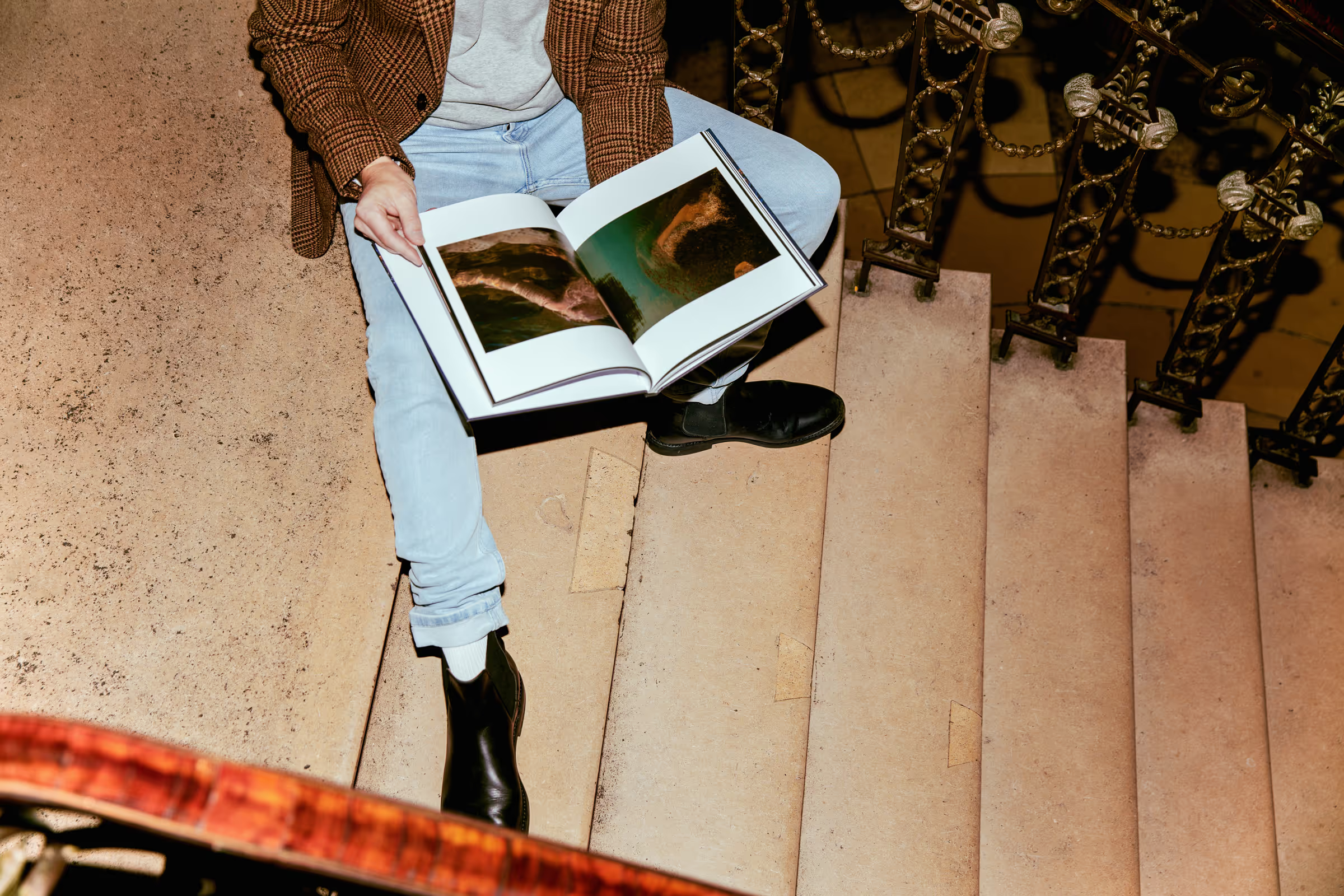
Cut open the packing tape and lift the flaps of the box. Peel back the protective wrap until your fingers make contact with the edge of a cover. Lifting the book out, you feel its true heft. A solid block of bound paper as heavy as it is delicate, each page impossibly light and imbued with the faint grain of the paper stock; yet the whole book is indeed a weighty tome.
Inhale deeply. What’s that? The clean scent of fresh ink pressed deep into paper fibers. A faint hint of adhesive in the spine. The intangible smell of possibility, discovery, beauty, all lying between two covers.
In that moment, those long months of digital mock-ups, late-night emails, and necessary but heartbreaking compromises between clashing creative ideas all finally make sense. Your vision has transformed into something permanent. It is a rush of pure pride, a proof of concept that looks back at you from the coffee table or the shelf with an authority that goes beyond mere pixels on a page.
We live in a culture that moves at the speed of a thumb flick. Many creative organizations pour their efforts into projects that are documented almost entirely behind screens. Websites are launched, refreshed, and rewritten; social feeds stream past in a blur of momentary attention. Yet human memory longs for physical objects that stay put.
“There are so many creative organisations that are doing really special things,” says Lebled Soloviev founder, François Lebled. “I think they deserve something beyond just a website or an Instagram account. Something that really gets to the heart of their mission.”
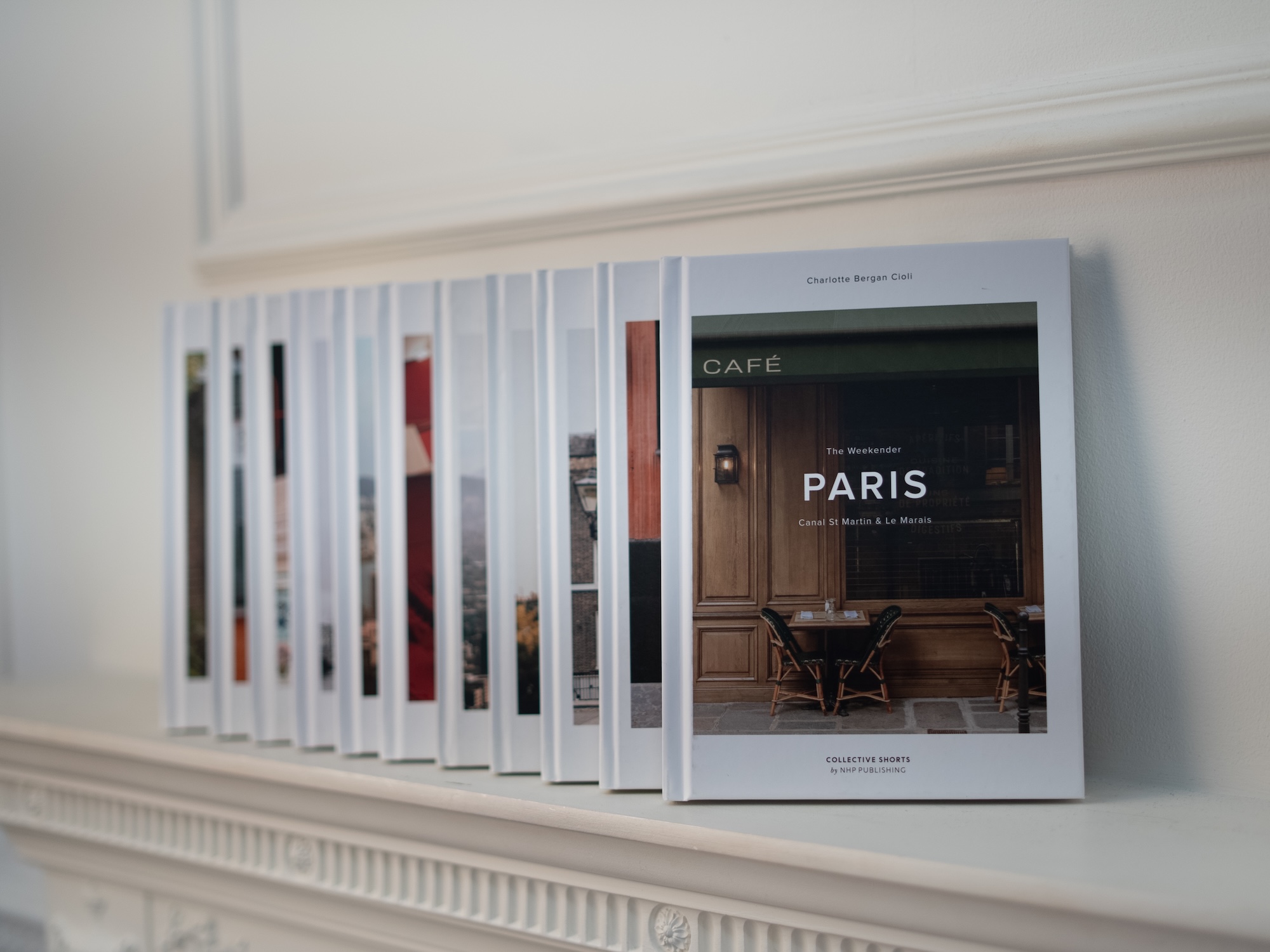
That desire to create physical permanence sits at the core of our commissioned work at Lebled Soloviev. Many cultural institutions have historically drawn a line between fine art and everyday commercial design, treating beauty as something reserved exclusively for whitewashed gallery walls. We see it differently.
François says: "I've never seen the creative and the commercial as being in conflict. It's functional design that most touches our lives - furniture, interiors, food - the applied arts. They deserve to be celebrated every bit as much as fine art." Art belongs everywhere, extending far beyond museum walls, and our publishing house has always sought to bring beauty to a wider audience through print publications that can be considered works of art in their own right.
This philosophy has found a natural home in our newest collection, Archives de Motifs, in which we celebrate functional art, encouraging a deeper look at the designs woven into everyday environments and interiors. “We believe anything built intentionally is deserving of a place here,” says François. “Our new collection is a homage to the artistry and craftsmanship behind pattern, design, and the decorative arts.”
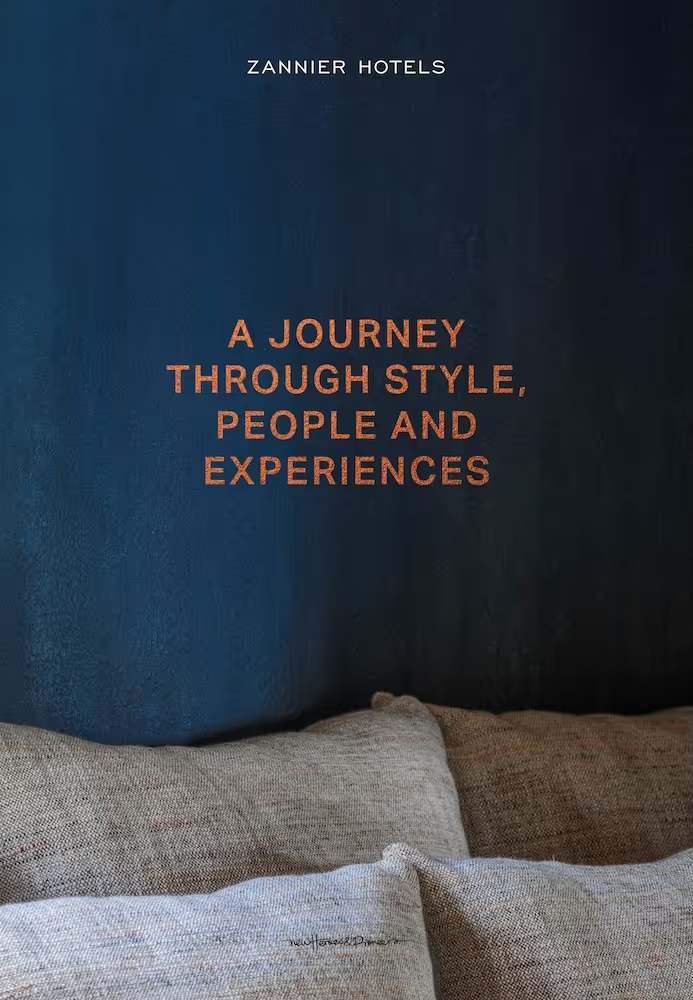
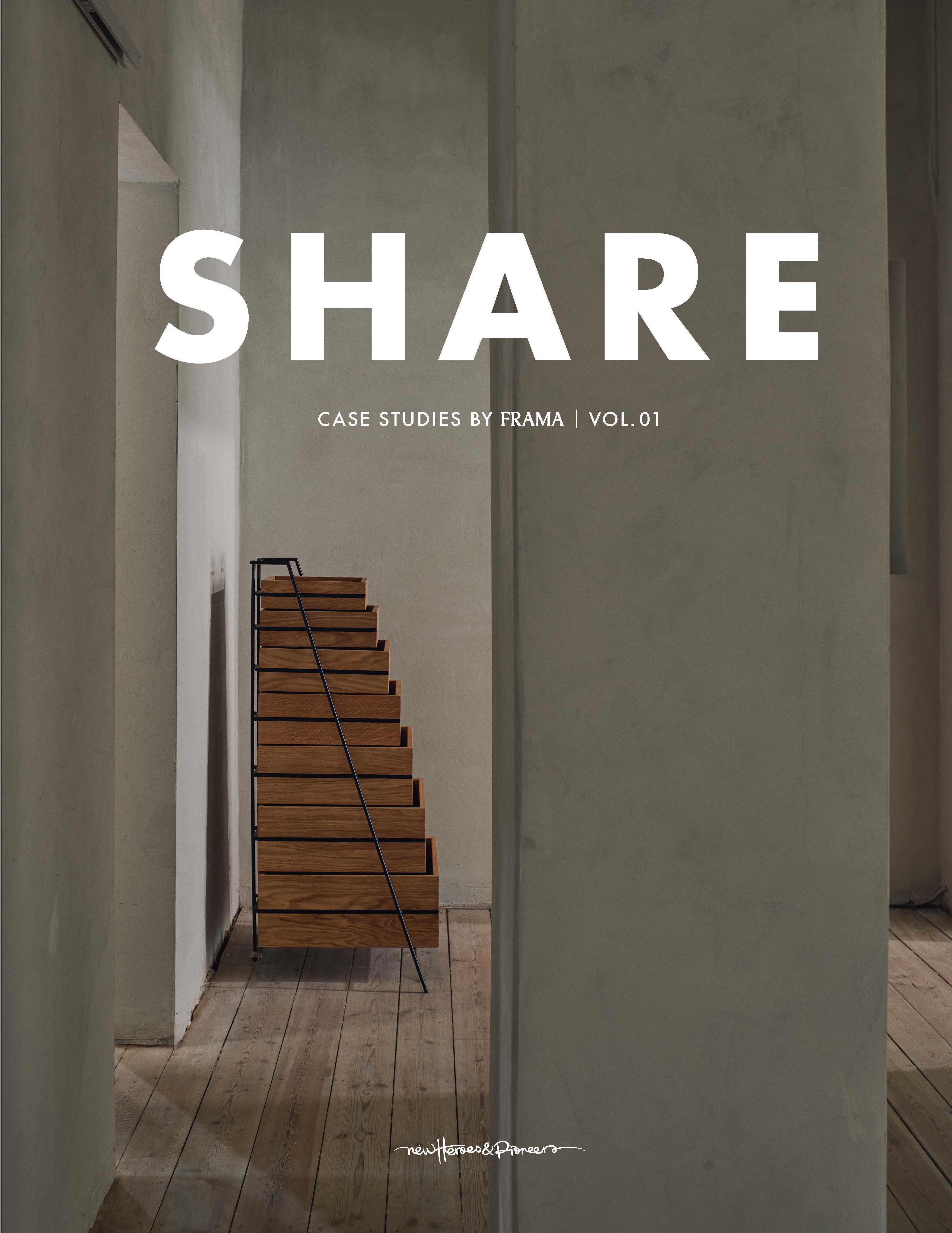
When an interior design studio or an independent brand decides to translate their ethos into a book, they are participating in this exact tradition of cultural storytelling. They are taking the living moments of their daily practice and giving them a permanent, printed home.
From a broader perspective, commissioning a book offers horizons that extend beyond a simple portfolio piece. When a brand places their beautifully crafted physical volume into the hands of clients, collaborators, and industry peers, it establishes an immediate sense of authority, elevating the perception of your entire business. A website shows what you do today; a book proves what you stand for over time.
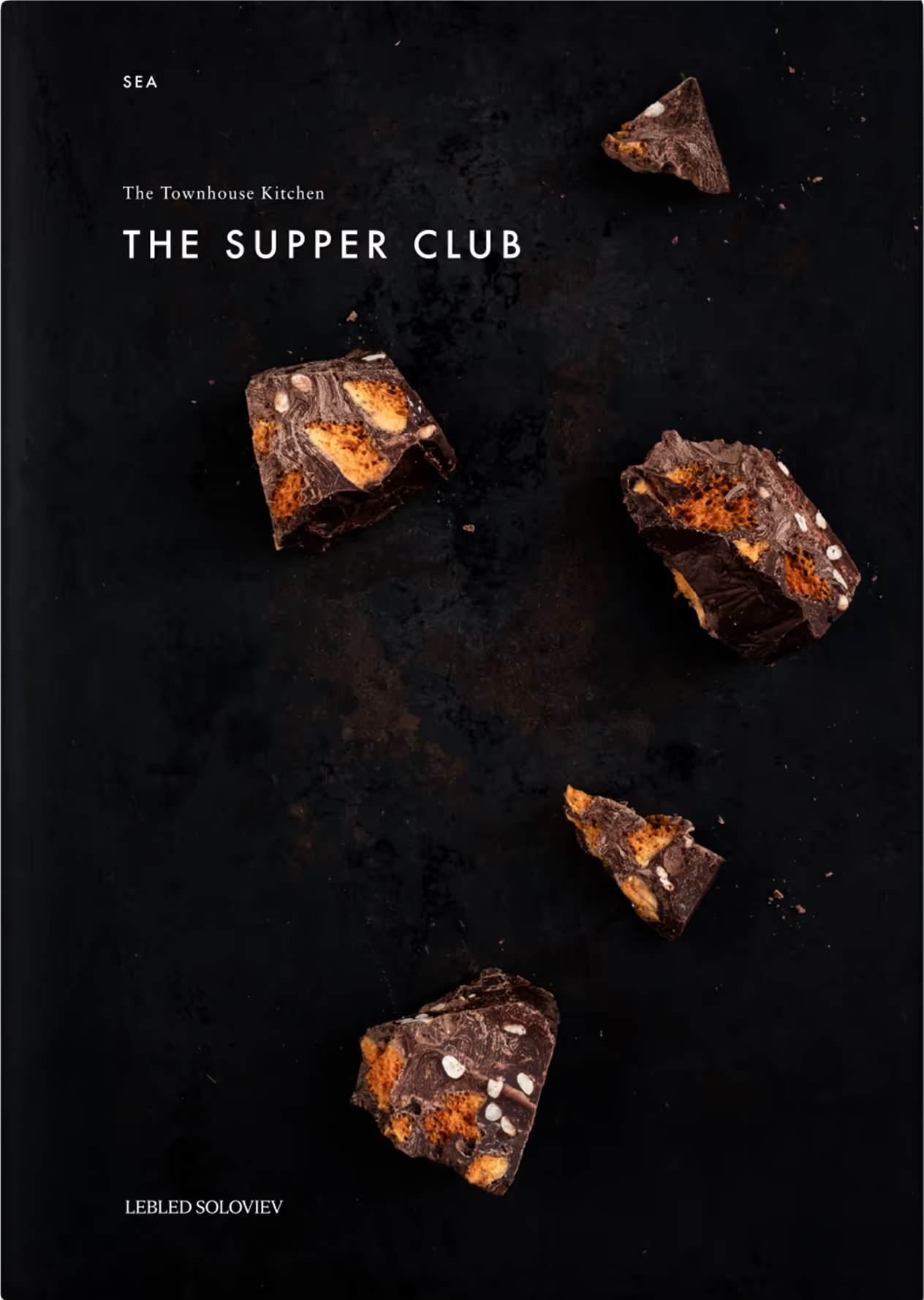
Additionally, it can open a new, self-sustaining revenue stream. Someone who is a huge fan of your work may not be able to afford a premium piece of designer furniture. But they can afford a book. Or restaurants can sell their cookbooks to enthusiasts across the globe. Chef and restaurateur Emanuel de Sousa has just released Supper Club, his second recipe book with Lebled Soloviev. "It's beautiful,” he says, “a very nice touch... It worked wonderfully."
Commercial considerations aside, François also feels a resonance between commissioned projects and his own journey in building an independent publishing business.
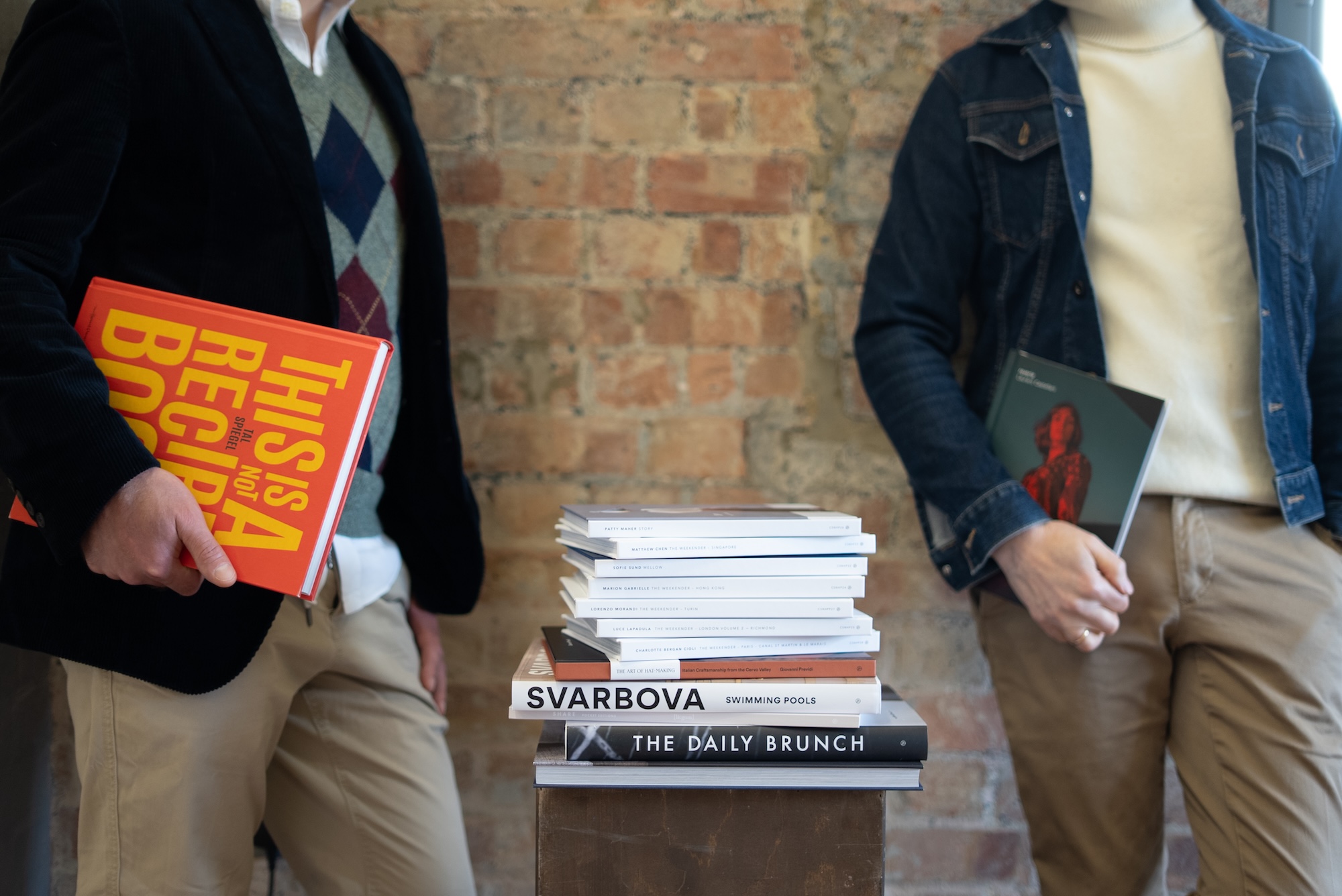
“I’ve always thought of Lebled Soloviev as something of a legacy project,” he muses. “It's been an honor to bring that same feeling to our commissioned projects. That’s really at the core of what we offer.”
Legacy changes how a team views their own output, shifting a daily routine into something worthy of collective history. It’s a resonance that happens when you step out of the digital void and instead create an object designed to be kept, borrowed, reread, and lived with.
When we begin a new commission, we approach our clients as fellow artists whose work simply demands to be documented. Every project has its own vernacular, its own rhythm, and its own visual language. “Our role is to act as editors, creative directors, and facilitators,” says François. “The point is to shape each element until the book feels entirely native to the brand that inspired it.”
The process, we think, results in volumes that capture the truest expression of creative voices. In a world overflowing with digital noise, creating a physical record of your work is a way to state that you were here, that you built something real, and that it matters.