Editorials
The Architect’s Table: An Interview with Emanuel de Sousa
A meditation on Portuguese heritage, the warmth of community, and the freedom that comes with being an outsider.
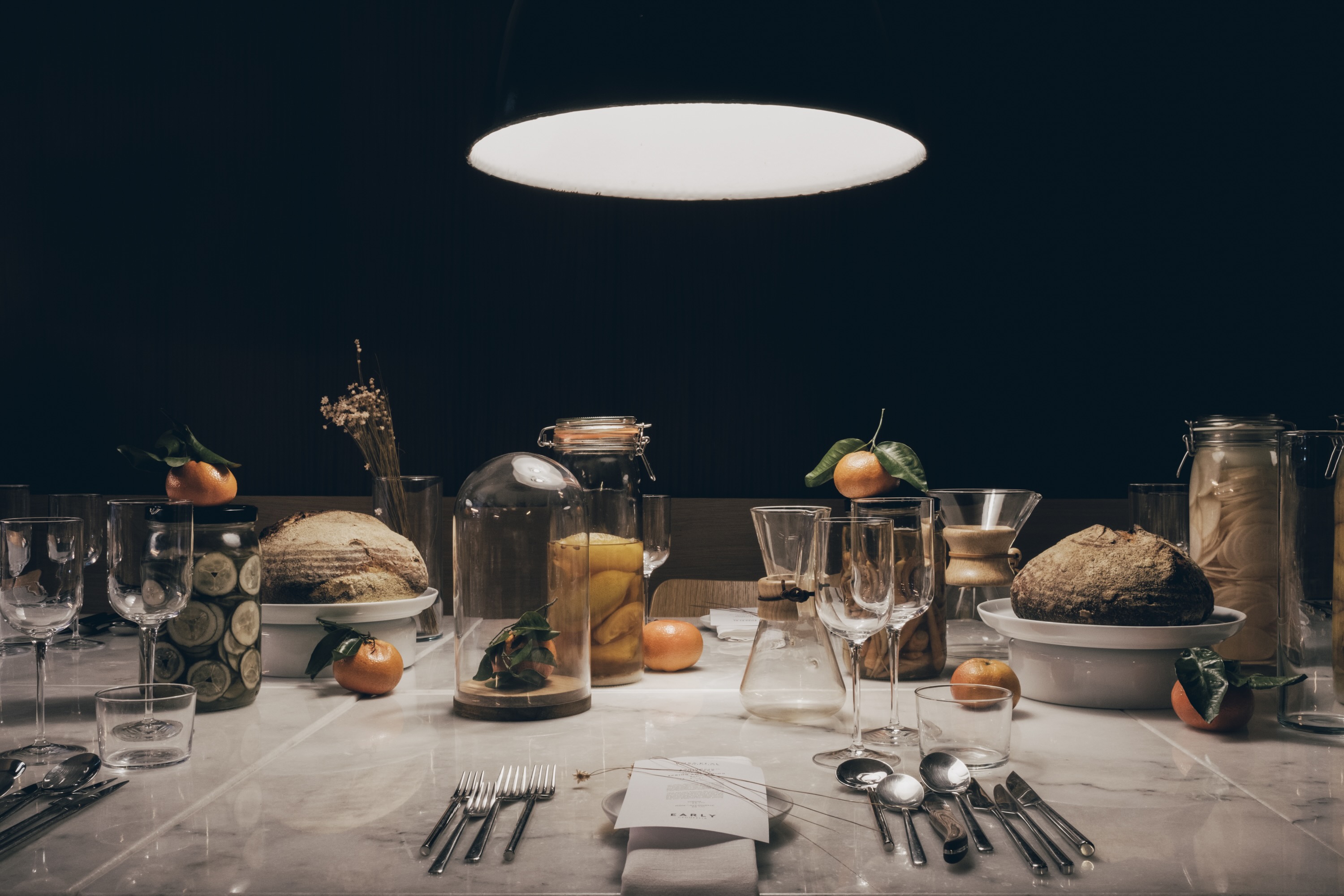
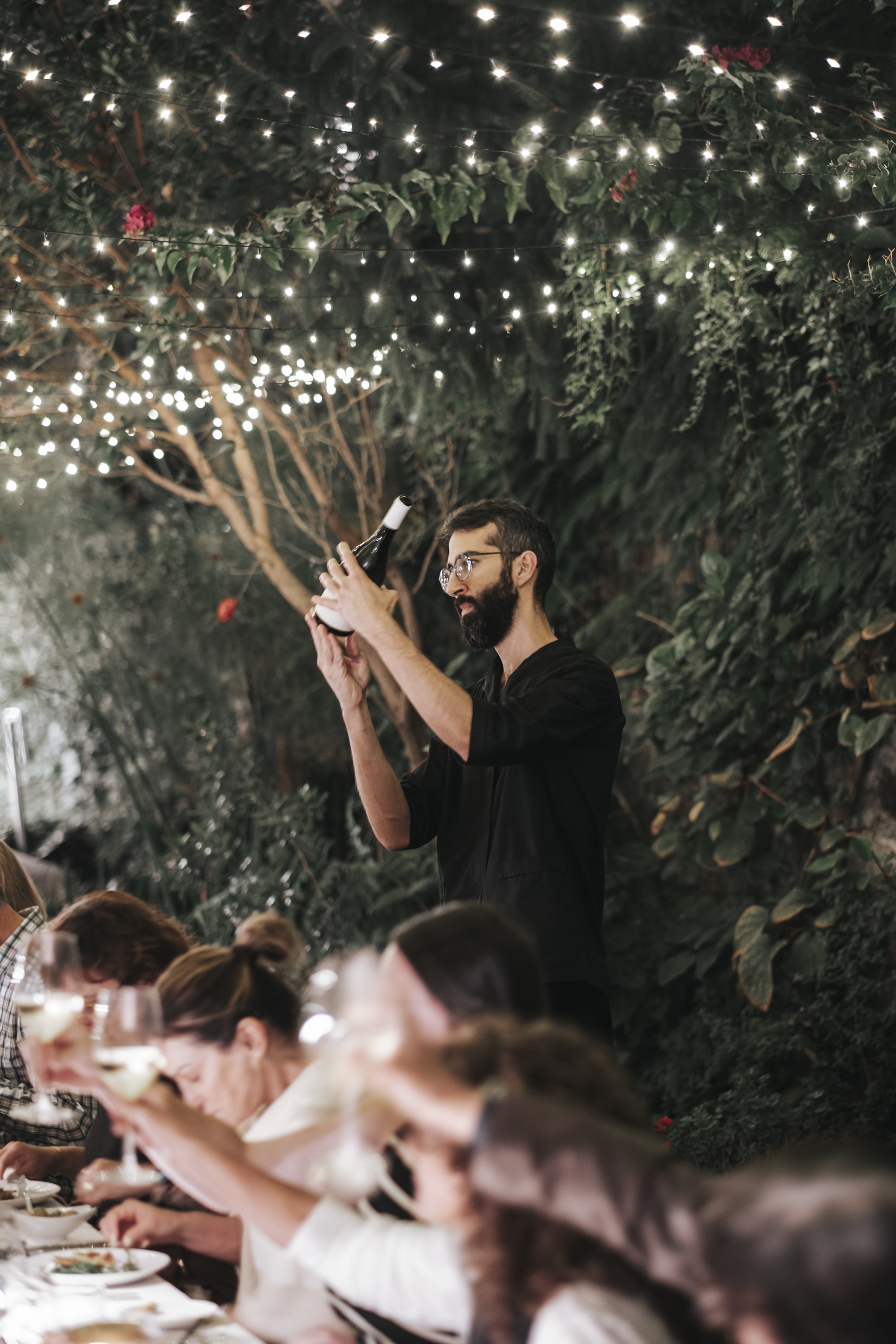
You know that moment when the dinner table goes quiet as the cook brings their creation out from the kitchen? That hush and indrawn breath of collective anticipation? For most people, this is simply the beginning of dinner. For Emanuel de Sousa, it is the final phase of a complex structural proceeding.
De Sousa did not begin his creative life in the heat of a professional kitchen, but rather in the disciplined world of architecture. Although he still undertakes private architectural commissions, his latest project has traded concrete and steel for the more transient materials of salt, oil, and fresh produce, used as building blocks to create lasting culinary memories.
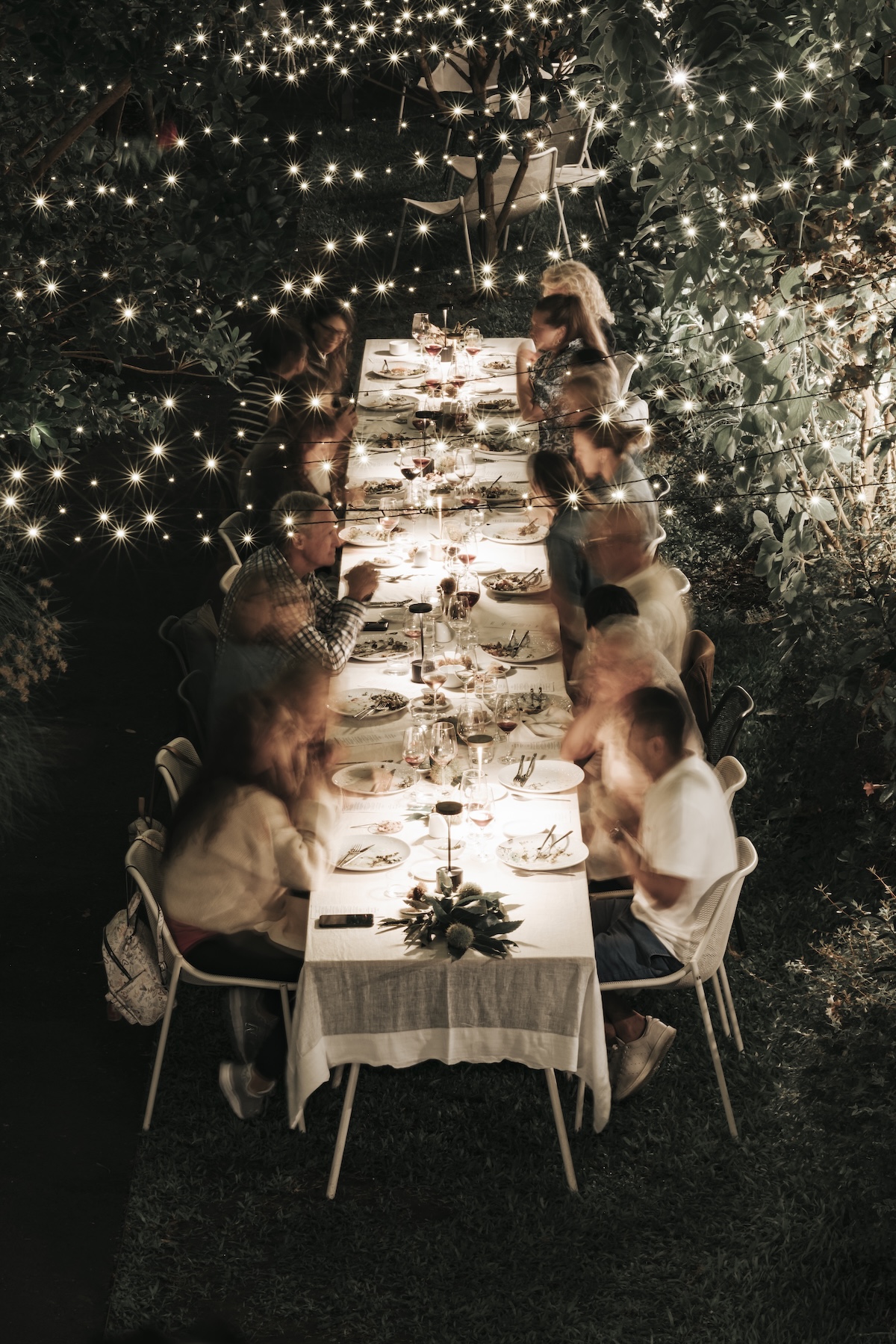
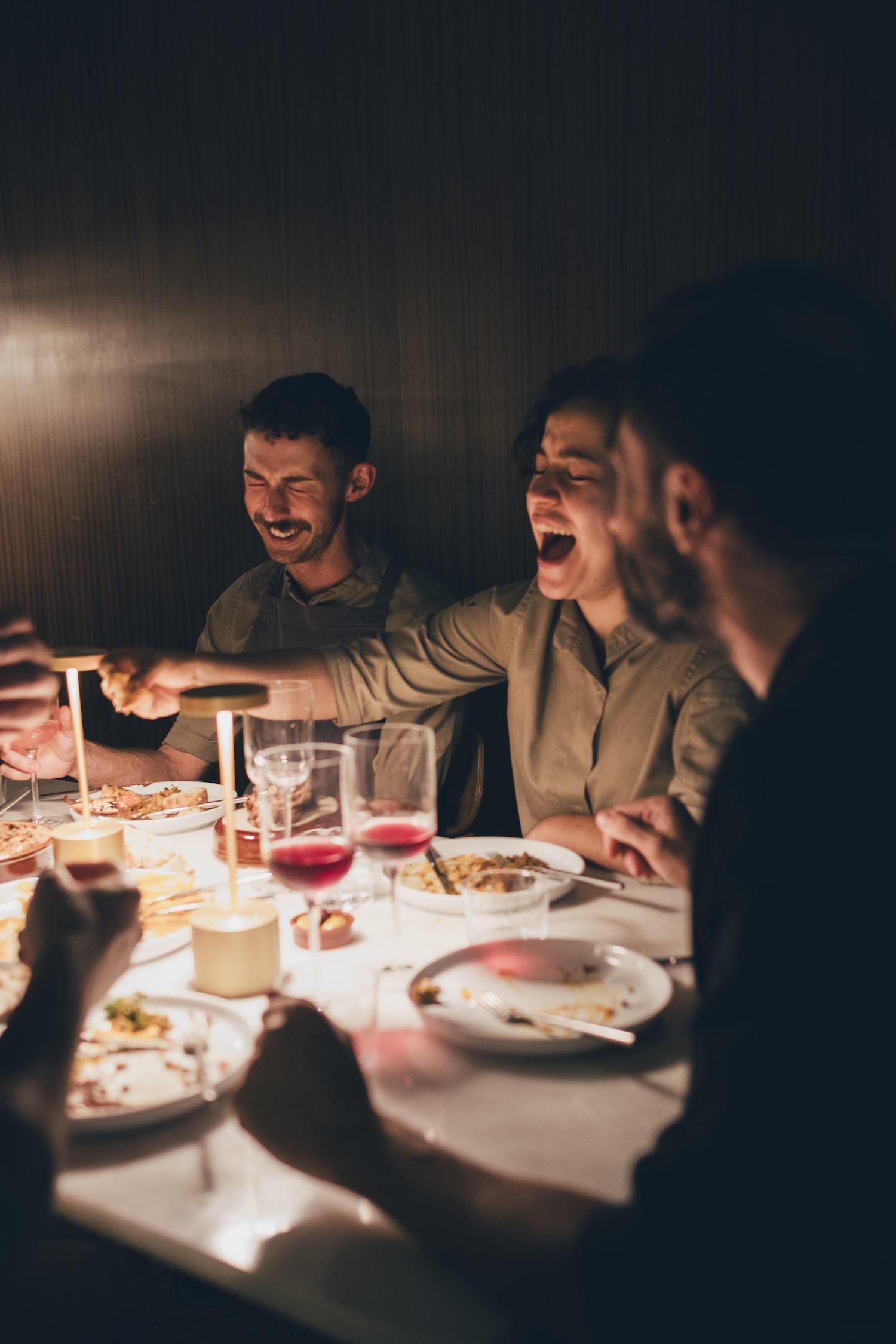
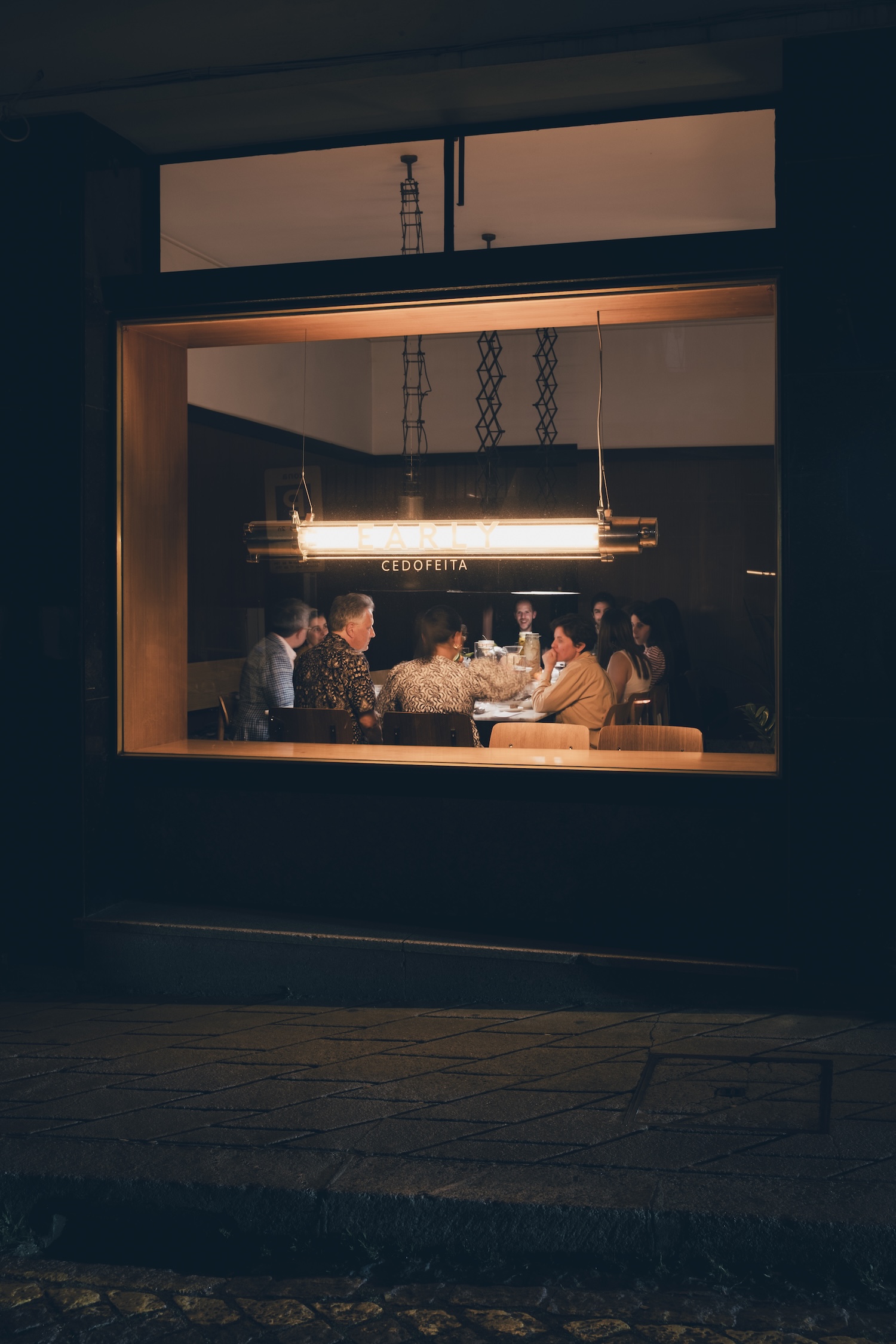
Supper Club is the second book from the de Sousa siblings. De Sousa and his sister Patrícia bought and redesigned an old townhouse in their hometown of Porto, transforming it into a boutique bed and breakfast, opening in 2012. Their home baked sourdough and unusual approach to the morning meal was highly praised. Word spread, leading to their first book: The Daily Brunch. Soon, the pair found themselves hosting ad hoc “supper club” gatherings, as their guests and curious locals asked them to turn their talents to the dinner table as well.

Was it difficult to take his architectural lessons and apply them to the culinary world?
“Not everything worked every time!" he says, laughing. Stepping into the kitchen required a willingness to be a novice again, to face the physical and logistical realities of the kitchen without the safety net of professional training. “I knew what I wanted to give the experience... but I stumbled a lot.”
The vision was clear, but the execution required a process of trial and error. This is something that will be familiar to anyone working in the creative industries. An architect might revise a floor plan a dozen times to find the correct flow of light; any photographer can tell you of the contact sheets where 30 images are rejected and a single one chosen to go forward.
This iterative process defines his way of working. De Sousa is now a chef, certainly, but first and foremost he is a creator who is fundamentally uncomfortable with stasis.
“It has to be… an evolutionary way of practicing," he confirms. “When it becomes very stable… I start getting an urge to question everything until the point that I have to move to something (different).”
Moving can also be understood very literally, when we examine his life. De Sousa’s history is scattered with uprooting himself and starting anew, having lived in London and Los Angeles, Paris, New York, and Montreal. Everywhere he went, he cooked for friends and explored the destination’s own culinary specialities. Of course, as a nation of historic explorers, Portugal has always been ready to bring new ingredients and techniques into its own repertoire, and that is evident in de Sousa’s recipes. But more than anything, it is heritage that is at the roots of his and his sister’s cooking.
Their books are littered with lyrical recollections of the siblings’ childhood, as they traveled around Portugal with their salesman father, or swiped the first fruits from their grandmother’s orchards. In Supper Club, food is not merely something on the plate, but something to be enjoyed in community, gathering with other people.
"We come from a family that is very around the table. Everyone has dinner together, and there is a time for dinner,” he says. His love of family, home, and of Portugal itself sings loudly through the book, and despite the international influences, it is fundamentally a love letter to Portuguese cuisine, people, and native ingredients.
Perhaps this is a love that can only be fully felt by someone who has lived outside his country of birth. Supper Club is wistful as much as it is celebratory; never sentimental, but you can sense a longing after home and the simple sensory pleasures of childhood. Those memories are tempered by the adult knowledge of what it is to be an outsider as you travel overseas: exciting and exhilarating, yes, but never fully at home.
Yet the “outsider” role is one that de Sousa embraces rather than laments. Having been drawn into the restaurant world, rather than brutally trained under the brigade system gives him a unique advantage: freedom. The traditional culinary path is often defined by a rigid hierarchy and a set of inherited "truths" about how a restaurant should function.
Under this path, he explains, “(recipes are) crystallized. They become recipes that cannot be touched.” We see this in Supper Club, where the foreword to several recipes sees fellow professional chefs questioning his experimentation with traditional dishes. But de Sousa sees his role not as a challenger to heritage but as an explorer.
His background, he explains, “creates a different league (for me). It gives me freedom to not have… a teacher saying: ‘You do not do this.”
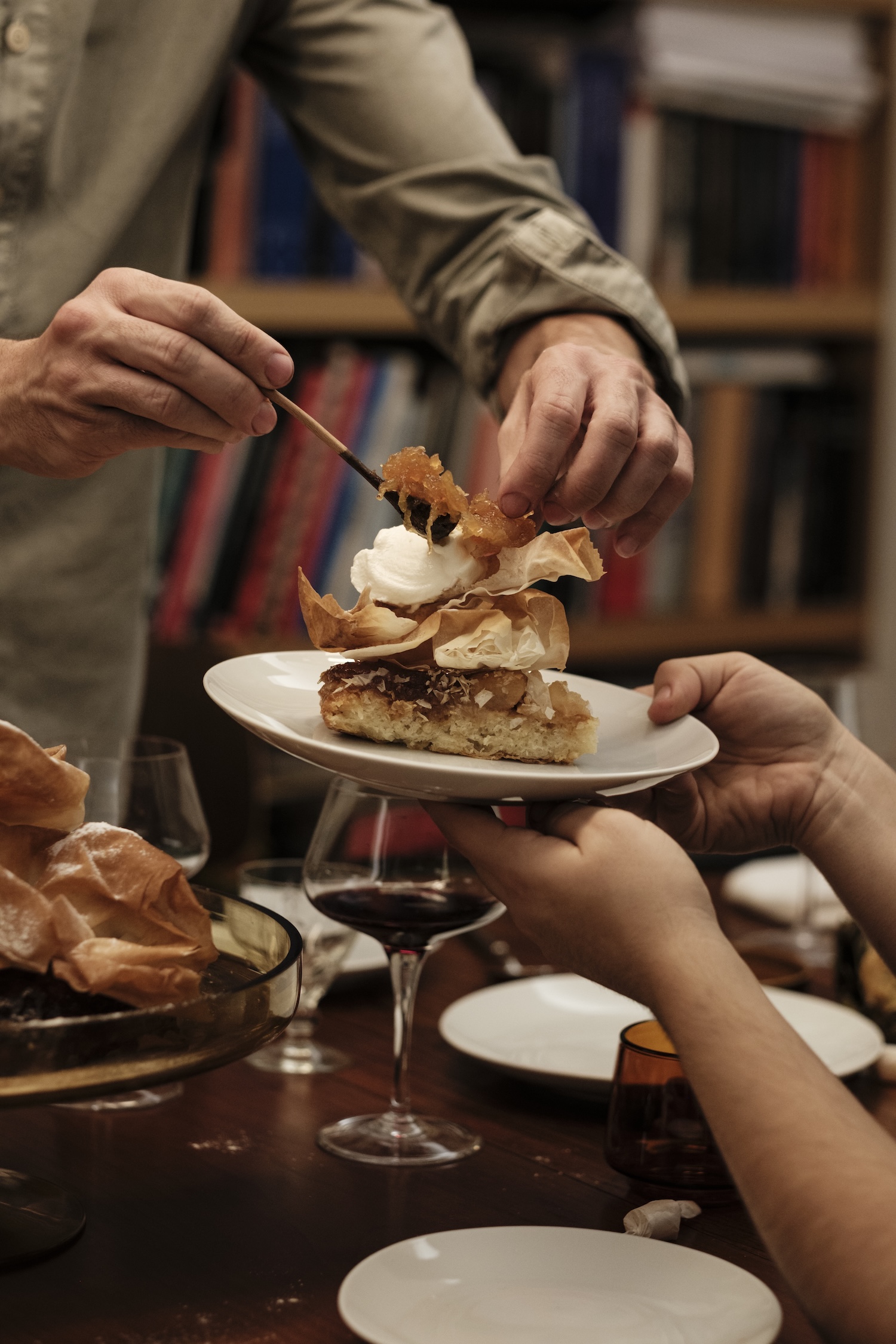
Supper Club is a glorious exploration of that freedom. Readers will uncover traditional recipes turned on their heads and put back together again: the famous bacon caramel flan Abade de Priscos becomes a smoky seafood version with cod tongues and lapsang souchong; Crème Brulée is turned black inside and out, with the addition of black sesame seeds. His travels have of course informed his approach, with Asian and American ingredients included, to make a Portuguese classic into something quite different. The outsider role, both in his lack of formal training and in his international travels, is turned into an advantage.
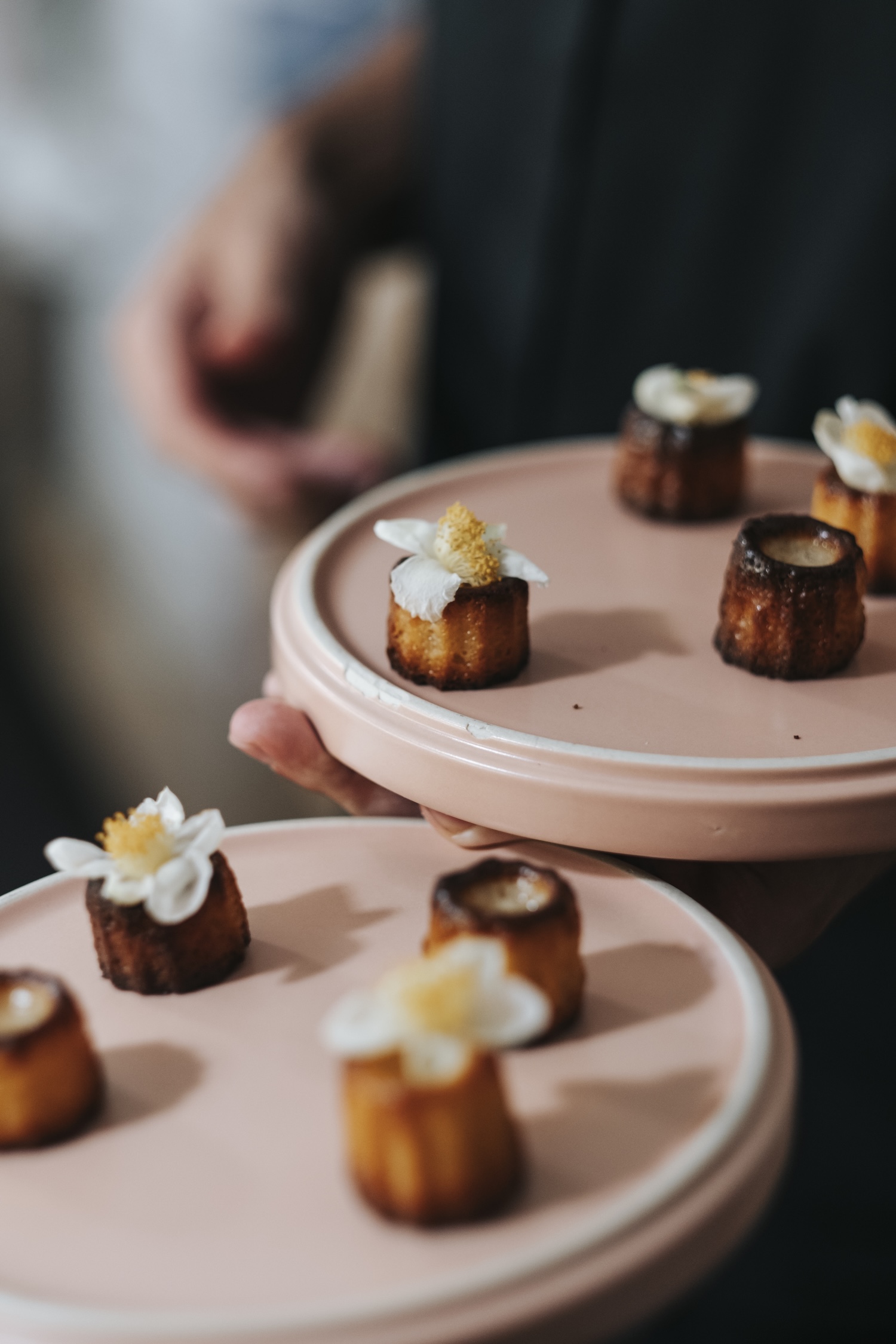
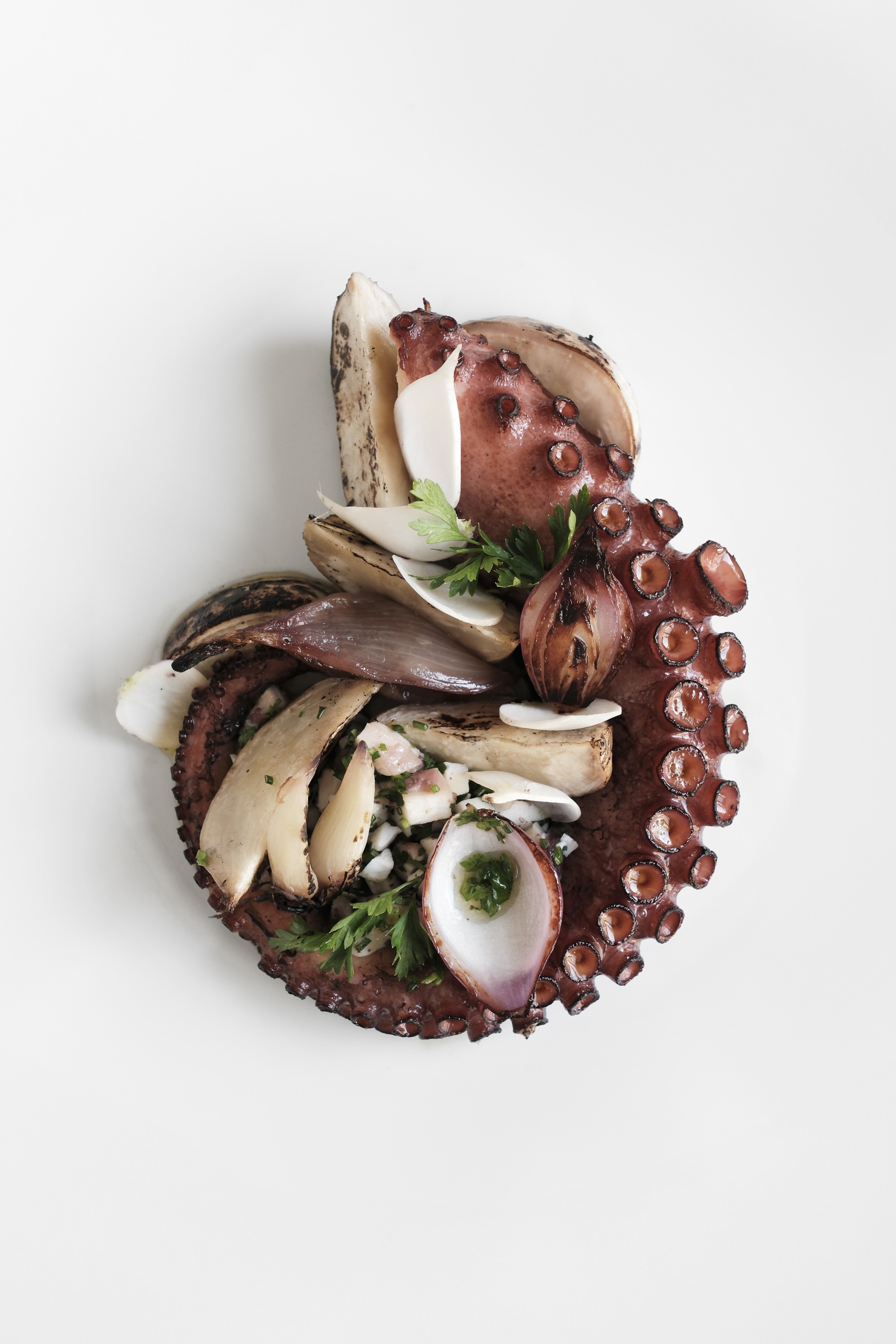
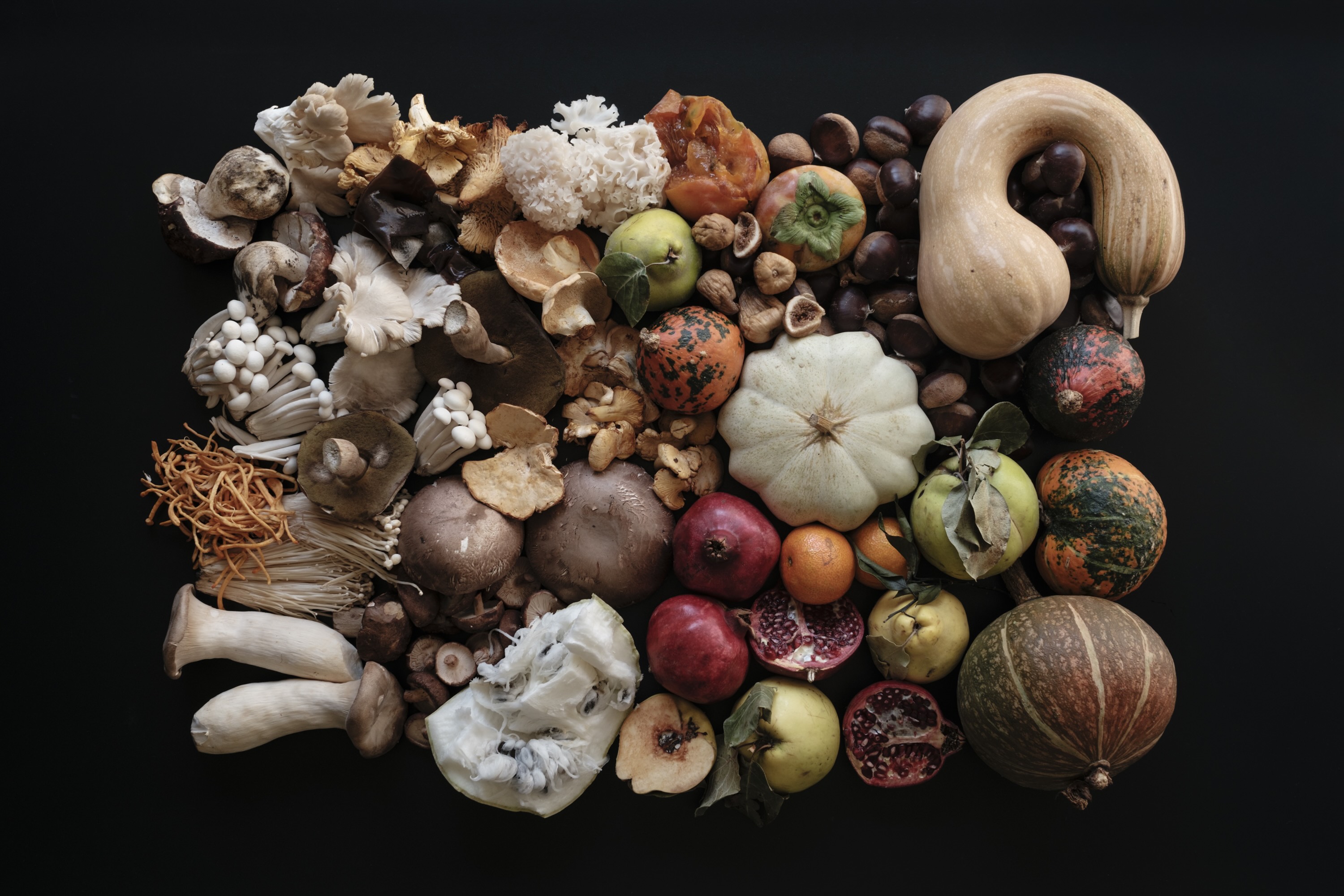
Although liberated from the rigors and rules of the traditional kitchen, de Sousa is not averse to structure itself. This is evident on the plates, where ingredients are precisely arranged and beautifully shot by photographer Daniel Zachrisson. When we speak of design in the culinary world, it often refers to the superficial — the way a sauce is swiped or a garnish is placed. This is evident in the images, but take a closer look, reading the recipes and you’ll see that for de Sousa, the connection runs even deeper, into the very bones of the process.
“The way that we structure food.. becomes a very architectural problem for me,” he explains. “Putting (these specific) ingredients together, putting things that are not structured in a structural way. It is basically what we do in architecture."
The architectural lens transforms his kitchen from a place of rote repetition into a laboratory of intentionality. In his hands, a traditional recipe is less a set of fixed instructions and more an adaptable blueprint that allows for his different interpretation.
Variation and adaptation are testament to the fact that history does not live merely in the past but is formed in the present, a series of fleeting moments that are over almost before they have begun. What is the dinner plate, but an ephemeral work of art that is designed to be literally consumed, and cemented as a history only in the memories of those who participated.
“(Host)ing friends, first abroad, then people that I didn't know would arrive with other friends,” he muses. He remembers the social aspect more than the meals he made. “And now making that same experience for guests with the supper clubs...it became a kind of natural history.”
While the meals themselves are eaten and the evenings end, the book remains as a tactile record of de Sousa’s philosophy and the supper club spirit. The gathering of like-minded people ready to make connections over that hushed moment that precedes the first bite.