Editorials
Photographer: Marion Gabrielle
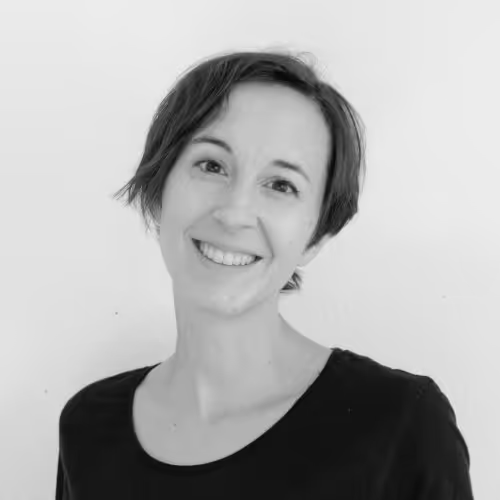
Traveling and living outside of your place of birth is a curious experience, making you vulnerable at the same time as it empowers you. It is a feeling that Marion Gabrielle knows well, belonging “to three cultures,” when you are continually reassessing your connections with others.
Traveling and living outside of your place of birth is a curious experience, making you vulnerable at the same time as it empowers you. It is a feeling that Marion Gabrielle knows well, belonging “to three cultures,” when you are continually reassessing your connections with others.
Born in France, she initially studied English language and literature before going on to switch to Anglophone visual art. Her thesis was on the work of British fashion photographer Tim Walker; after moving to London “to do my research,” she says, “I just stayed.” She has now been living in London for six years and is midway through a PhD at Nottingham Trent University.
The third culture comes from her partner, who is from Hong Kong. Educated in the UK, he now lives and works in Hong Kong, and it is through him that Gabrielle has discovered the city with a complex set of expectations and a unique eye.
“He has rediscovered Hong Kong as an adult,” she explains, “because he knew it as a child and then he spent most of his life here (the UK). So he has, you know, the true perspective, the authentic perspective and also the Western perspective, I would say.”
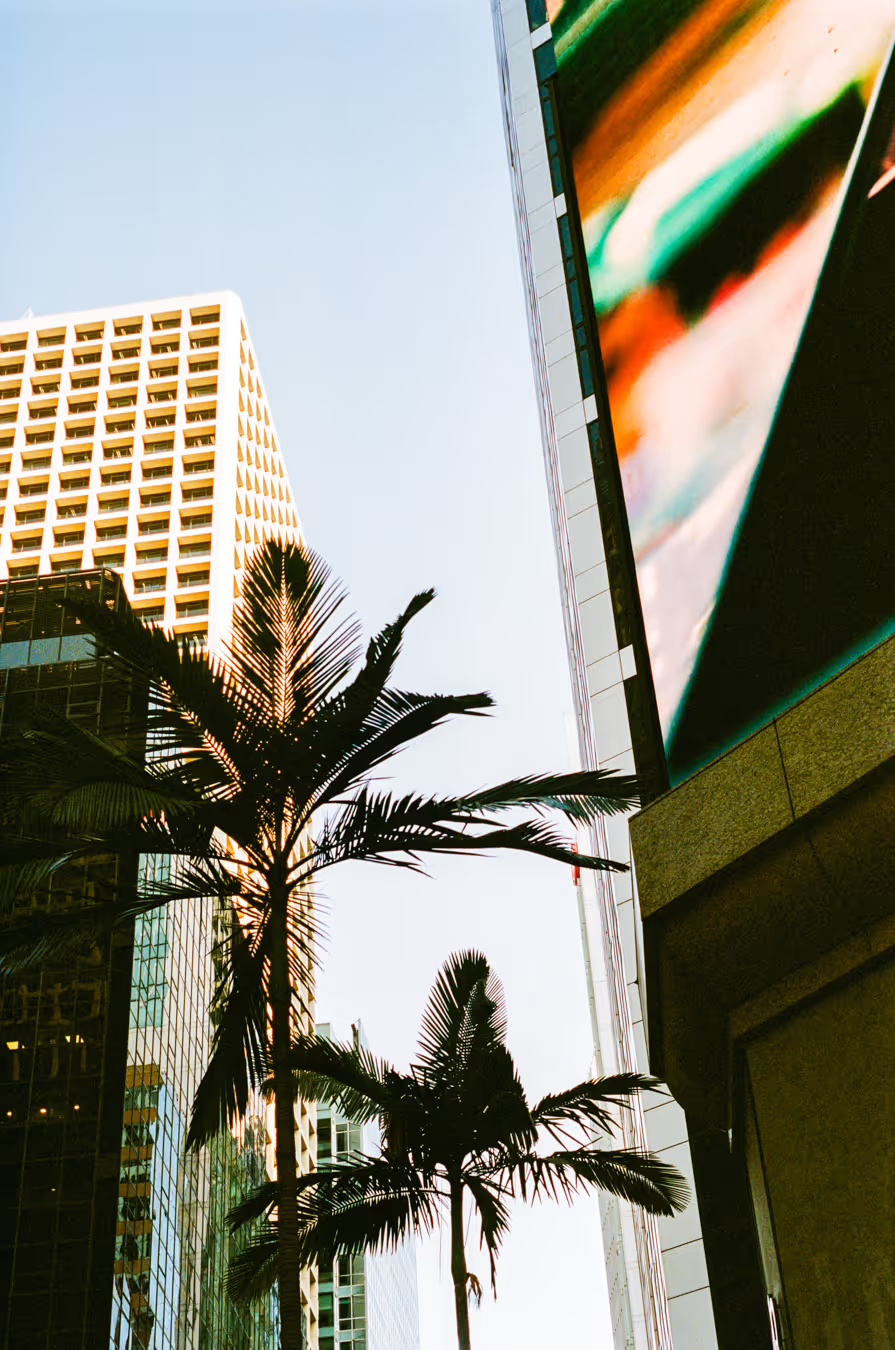
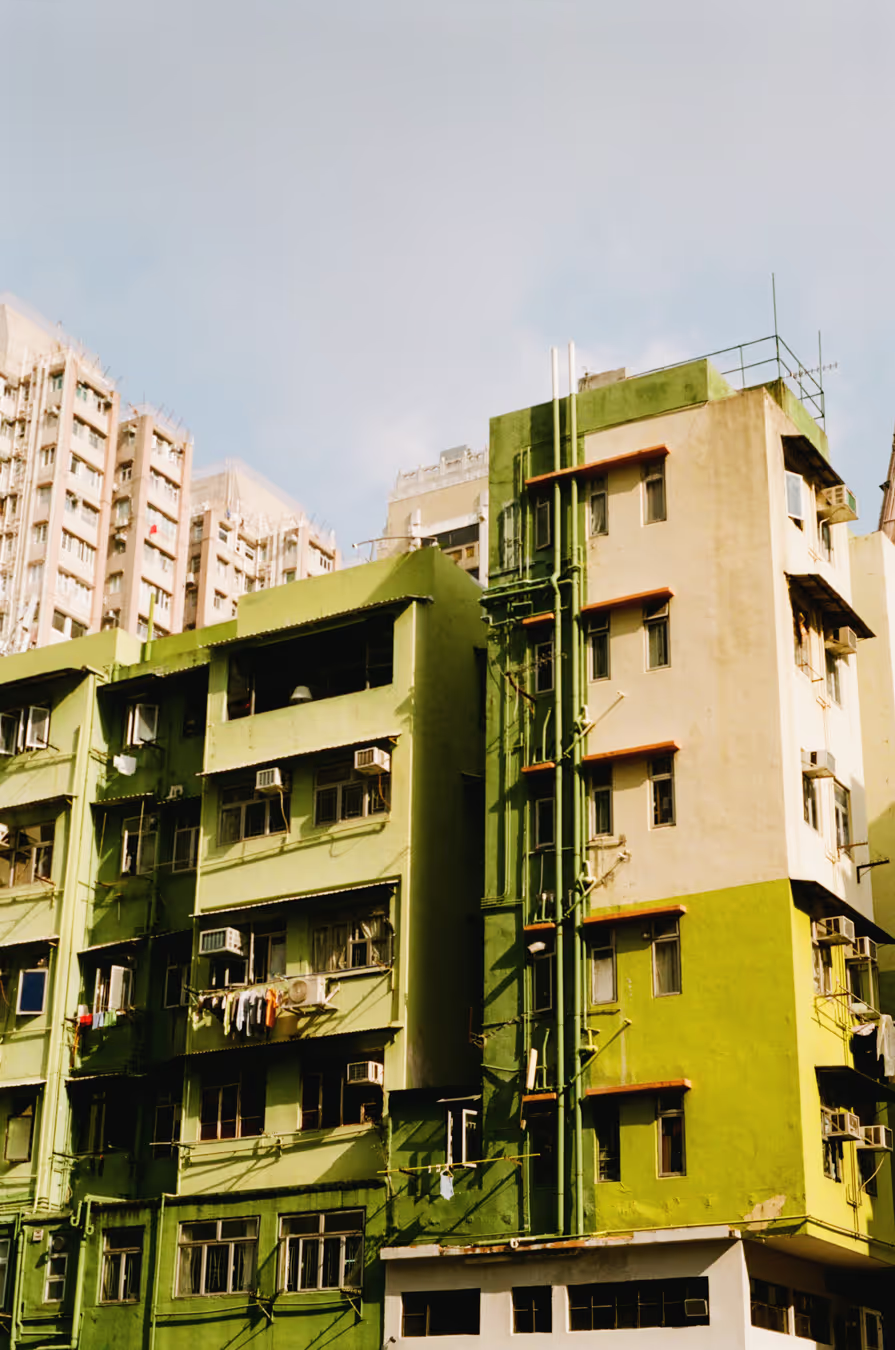
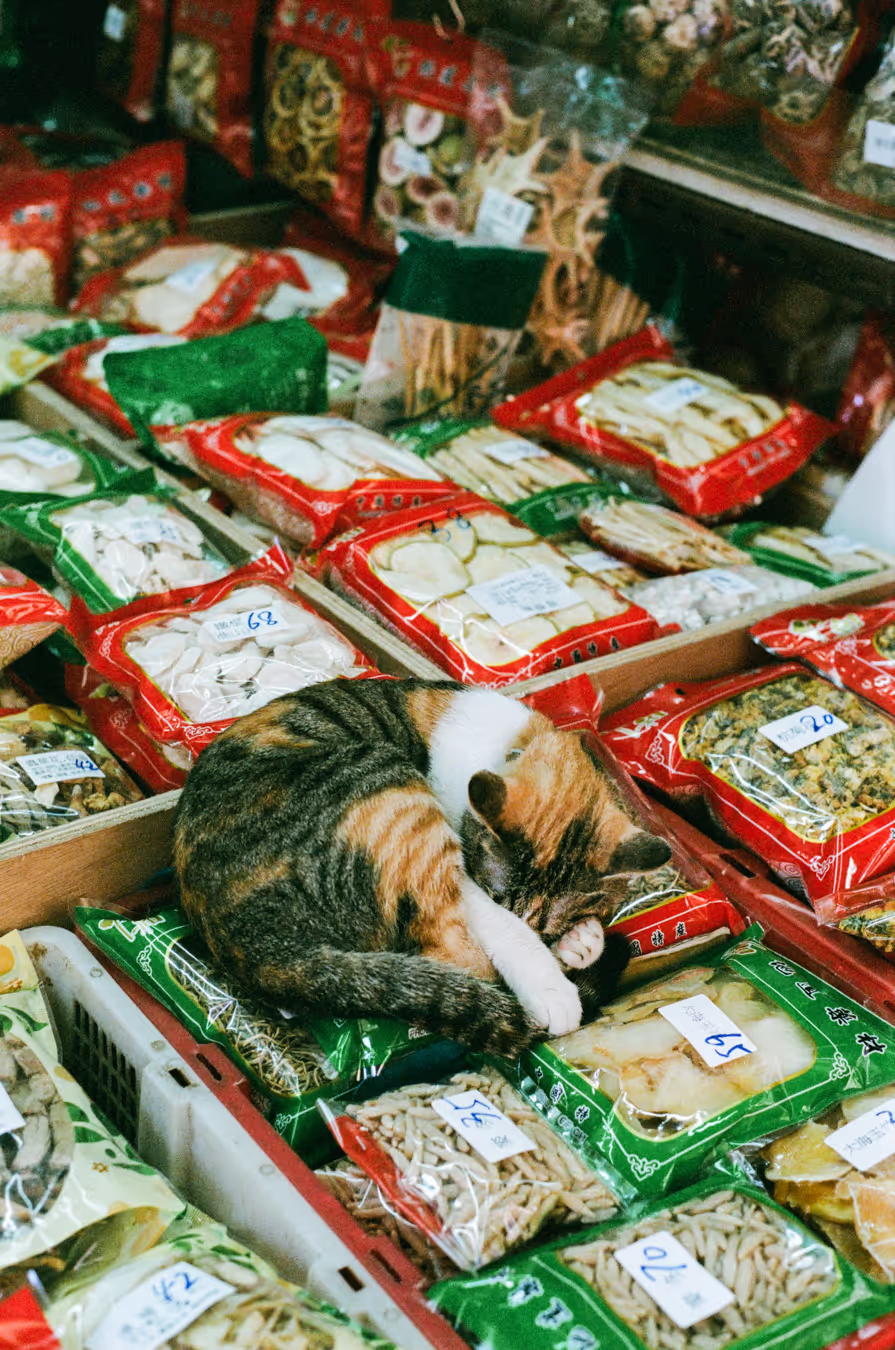
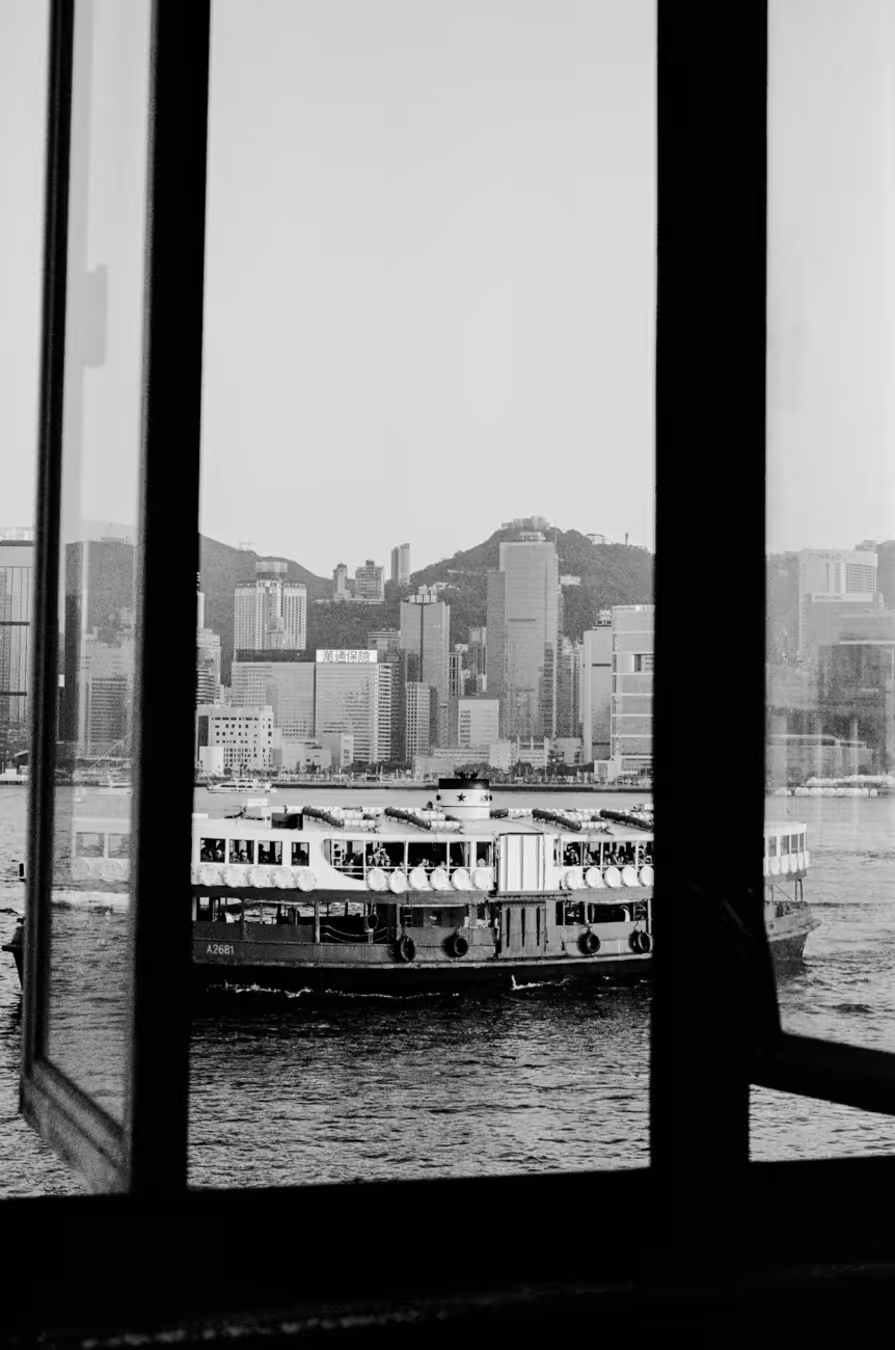
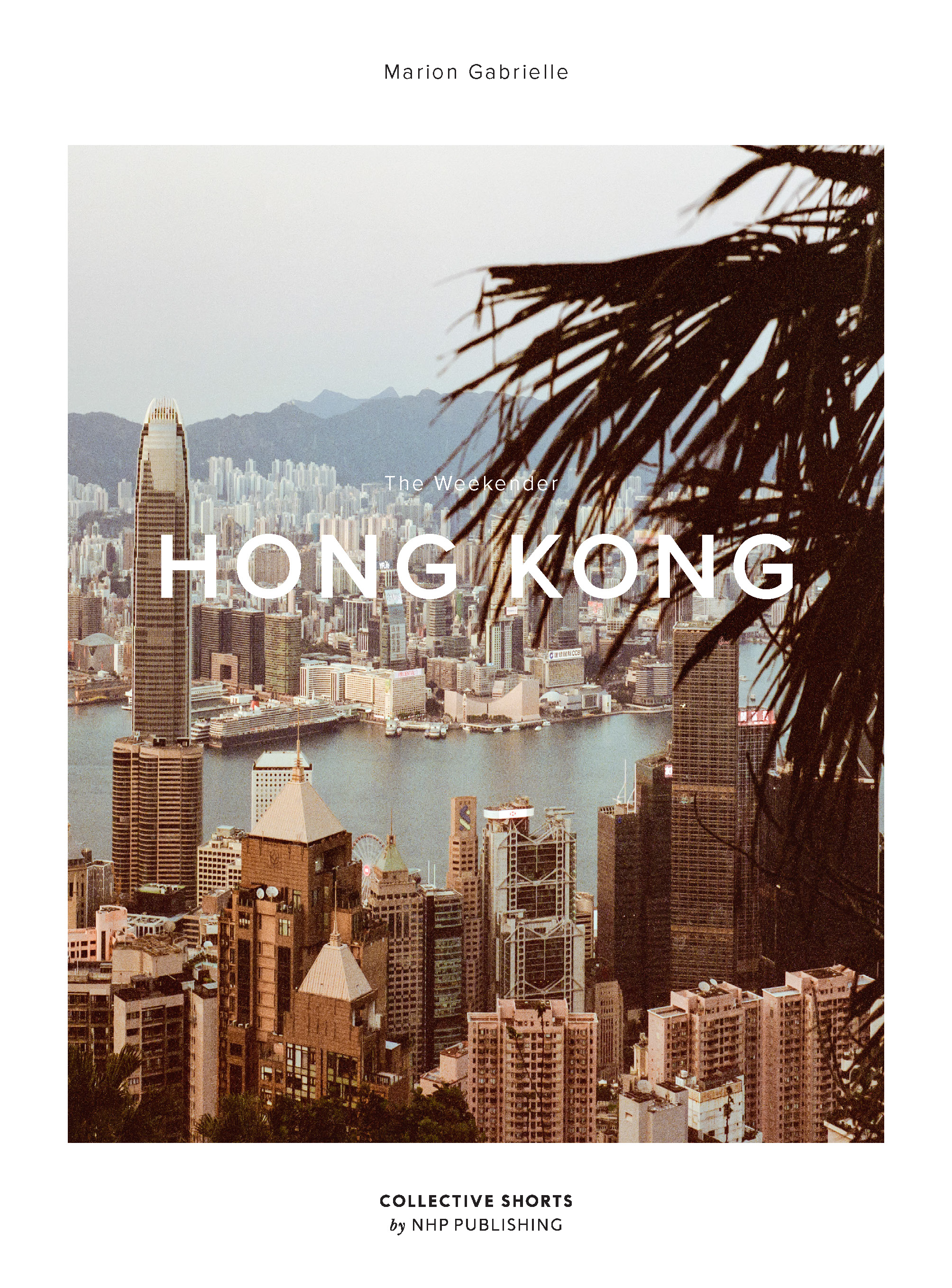
It has given her a unique angle on Hong Kong, and one that makes her the ideal photographer to have captured the experience inherent in being a traveler to a place. The Weekender series is about understanding a place more deeply, or from a different viewpoint to the usual beaten track of the tourist. But the books are still about travel. In her work in The Weekender Hong Kong, Gabrielle manages to capture the vulnerable sensation of being an outsider while combining it with what is clearly an intimate knowledge of the city.
“It's been balancing a bit of both, seeing his perspective (as) someone who was born there and has their family there.” It helped her immensely to “have access to different experiences than just an expat. I tried to show that in the book.”
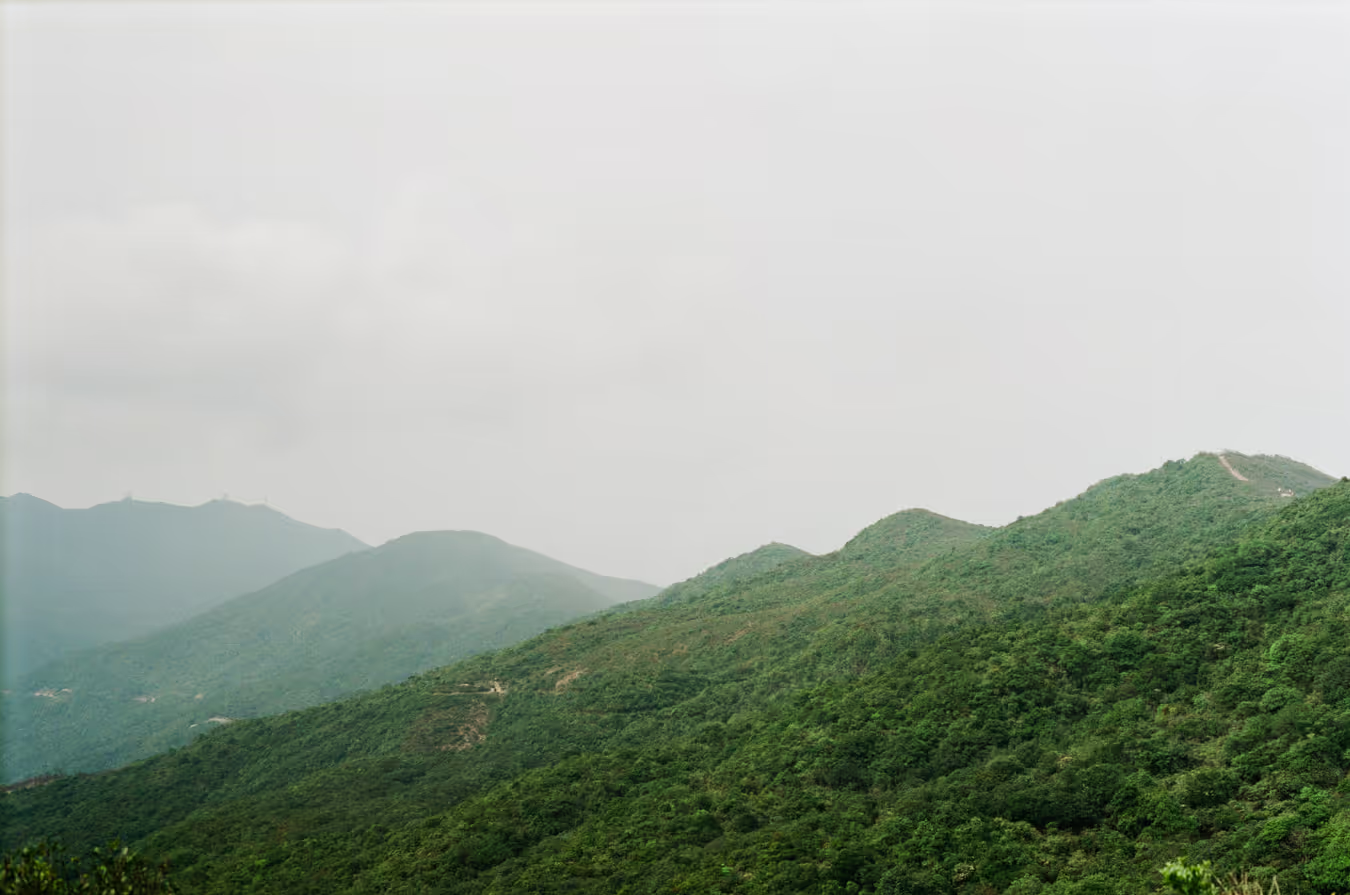
Yet at the same time, “my perspective was as a photographer… I try to go out by myself with my camera and just notice things. I need to meet people and I didn't want to have everything (happening) through my partner.”
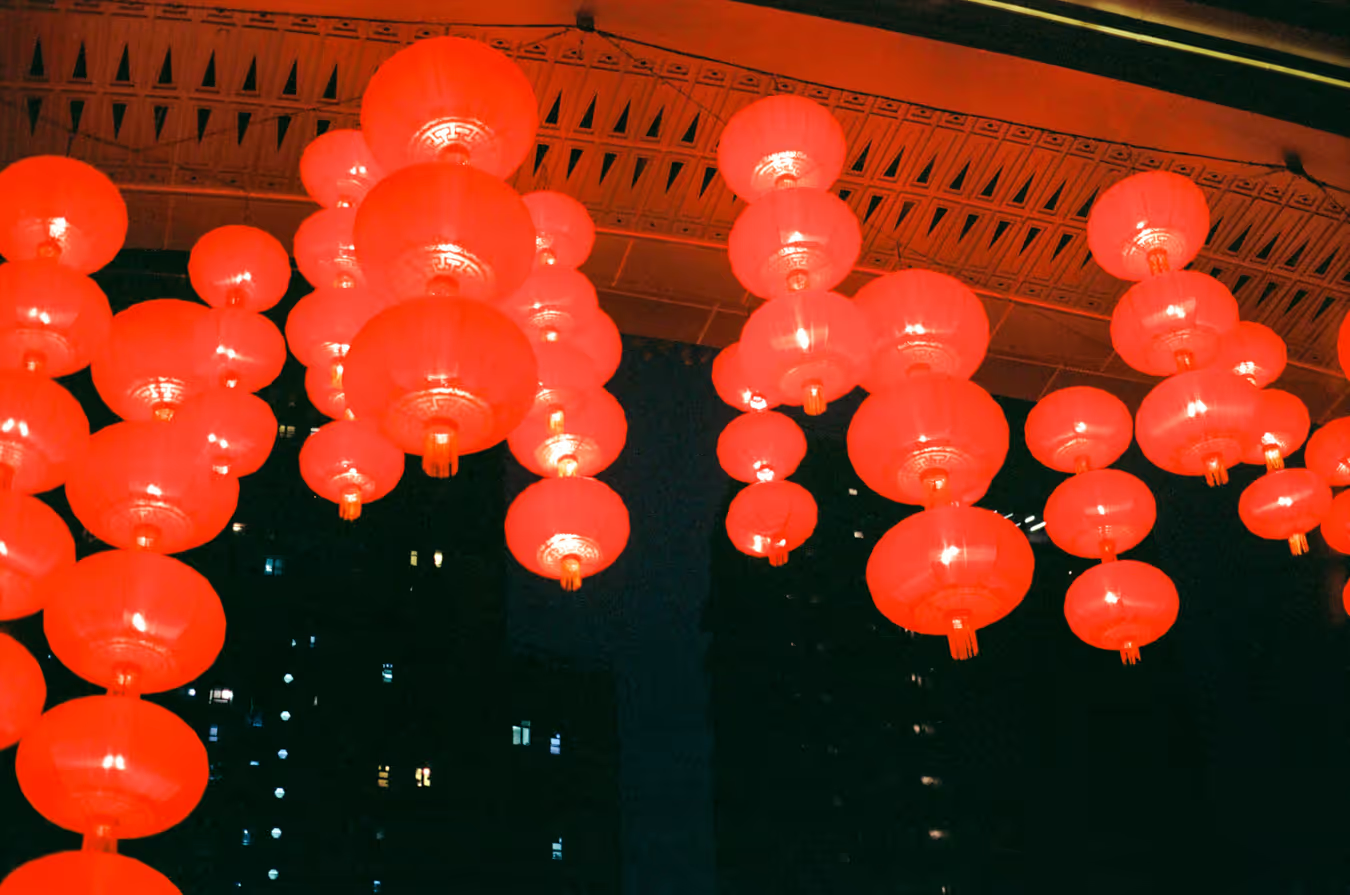
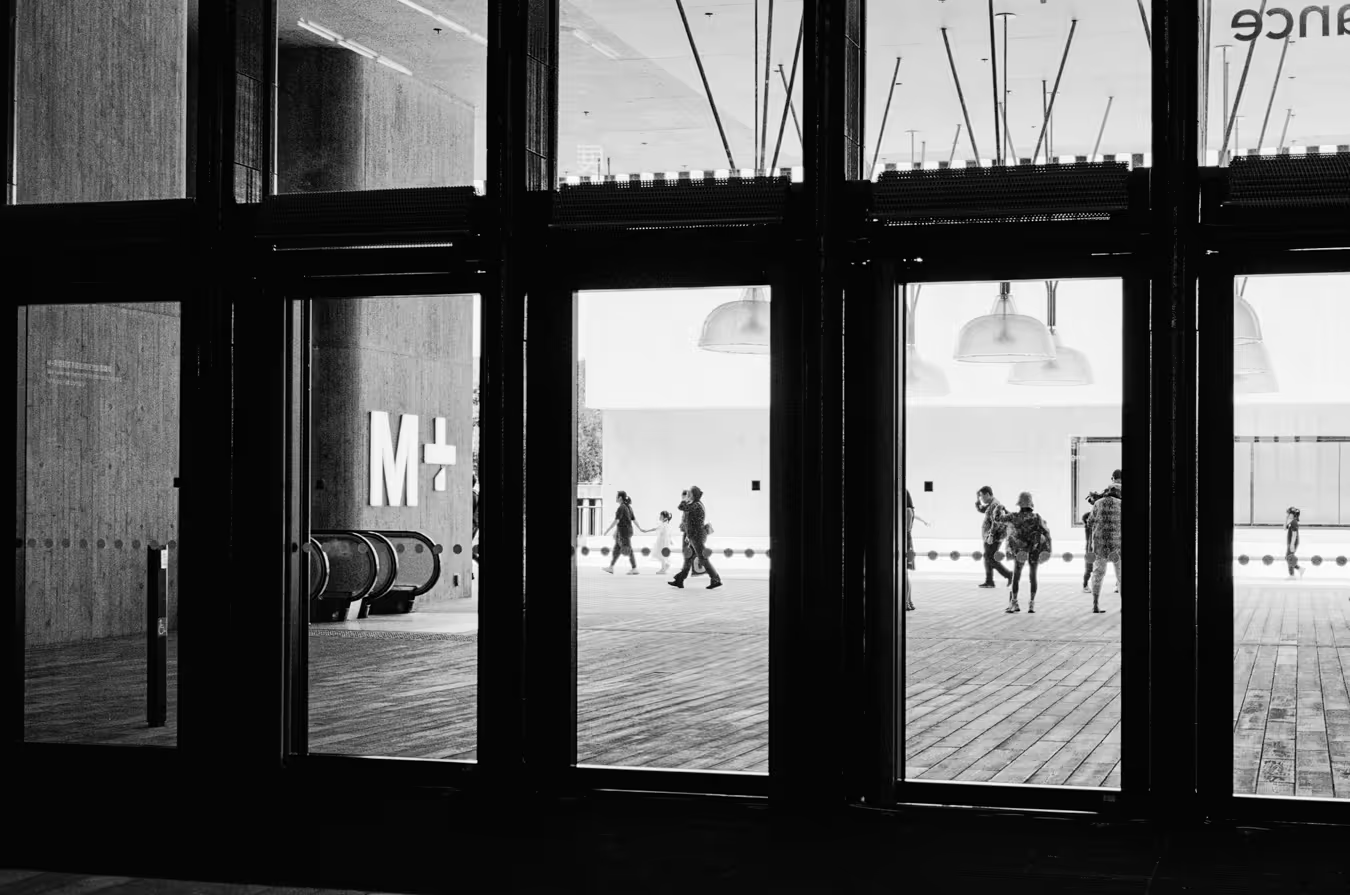
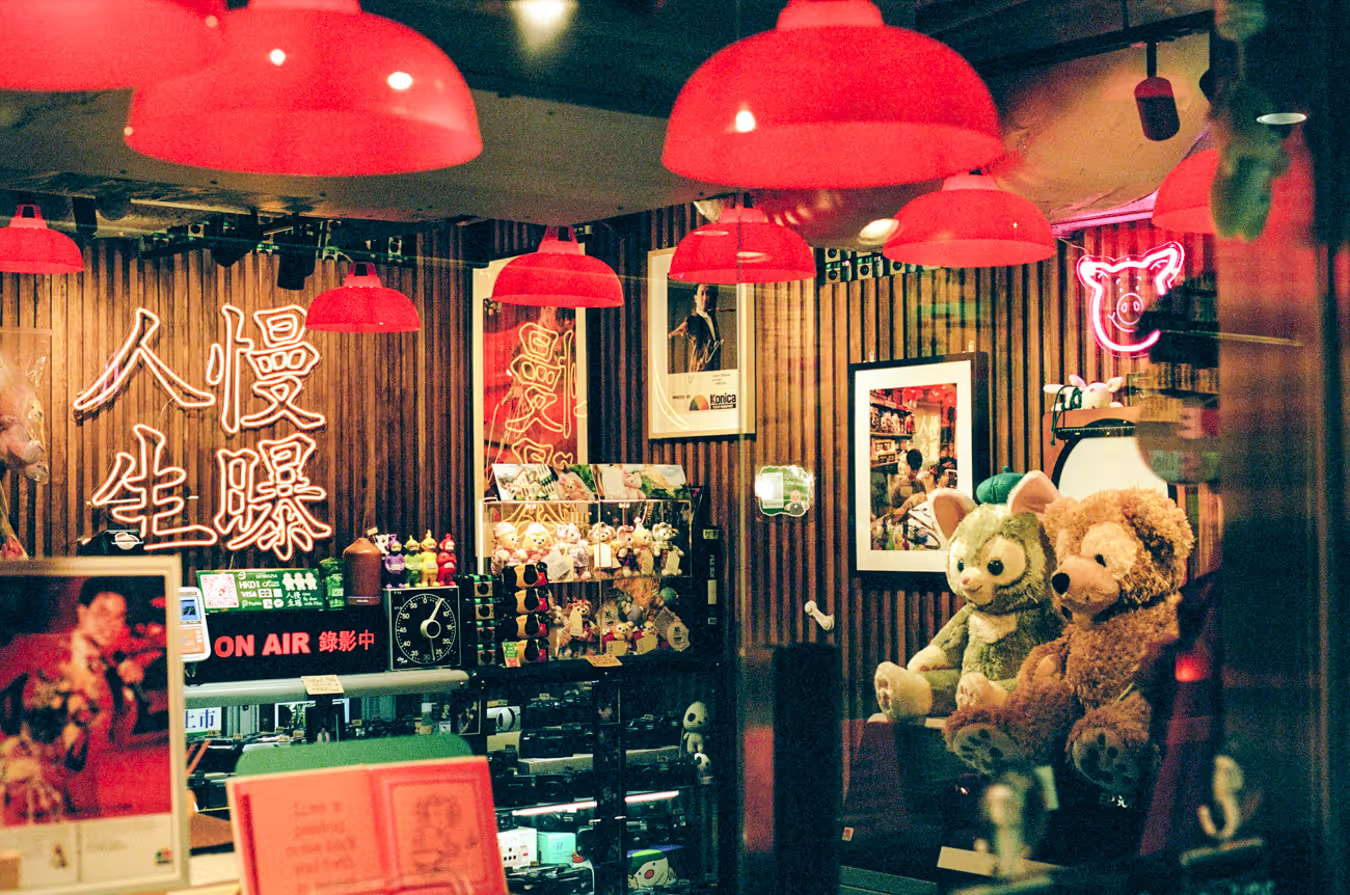
The camera in question is a film camera, which Gabrielle normally uses for her travel photography. The aesthetic of film is subtly apparent in the shots, with their more muted colors, sometimes with an almost sepia tint to them. It lends them an instant hint of nostalgia, an emotion with which all immigrants are familiar.
Seeing your home country with the eyes of a foreigner can be a bittersweet experience. The inevitable contrast between this place you see as an adult with the place you remember from childhood — complicated still further by your overseas experience.
“Nostalgia,” she says, thoughtfully, “ — I always liked to find all the things. I like the contrast between modern and something that's older.” And indeed, her nostalgic tone is the perfect choice for a travel book. The reader’s current experiences are immediately placed in history as part of their travels, given a suggestion of old snapshots in photo albums, a way of reliving the holiday simultaneously to experiencing it.
However, travel photography is not the only string to Gabrielle’s artistic bow. Her commercial work has largely been in fashion photography, and her PhD is on the topic of “collaborative labor and fashion photography”. She explains briefly: “I interviewed everyone in the team, so it would be photographers, models, makeup artists, anyone involved.” Her work is very much about “the process, the actual artistic sensibility, how they work with other people, the connections they make,” but inevitably topics of equity and inclusion arise too.
“That creative work, that editorial work is so important, but it's not paid. Most of the time it's not paid. It is an investment in their future career, because that's what they're going to get booked on. But it is so much (unpaid) labor and then so much labor afterwards.”
Although fortunate enough to have received funding for her PhD, these financial struggles are not unknown to Gabrielle personally. She has also experienced a tension “when I get booked for commercial work that is not really what I would naturally gravitate towards.”
But even artists have to pay the bills. “There are things such as the cost of film. Film is very popular — that's what magazines want — but it is so expensive and I have to handle all the costs.”
What would she be doing, if money were no object?
“I’m just happy to be able to work in photography,” she laughs. “But my dream is to have my own studio space in London and to be able to experiment with fashion, with creative portraits, with still life, and cyanotypes.” She explains, animatedly, about technical challenges of the dark room, cyanotypes, and printing on glass.
As part of a photography collective Dark Room Socials, she meets with other photographers and cinematographers a couple of times a month. They swap prints and discuss their work. It’s collaboration, again — although a different type to the one she is documenting in her PhD — where people leading artistic lives discuss their challenges and successes. The group has just put on an exhibition in the Espacio Gallery on Bethnal Green Road: “Finding the Light”.
“It’s just reflecting on what it means for us as photographers,” she says. “Very varied projects. It's been a really great community. We all sort of channel from each other and encourage each other.”
In travel, in fashion, and the creative life, it seems, the connection with people is always what it is all about.