Editorials
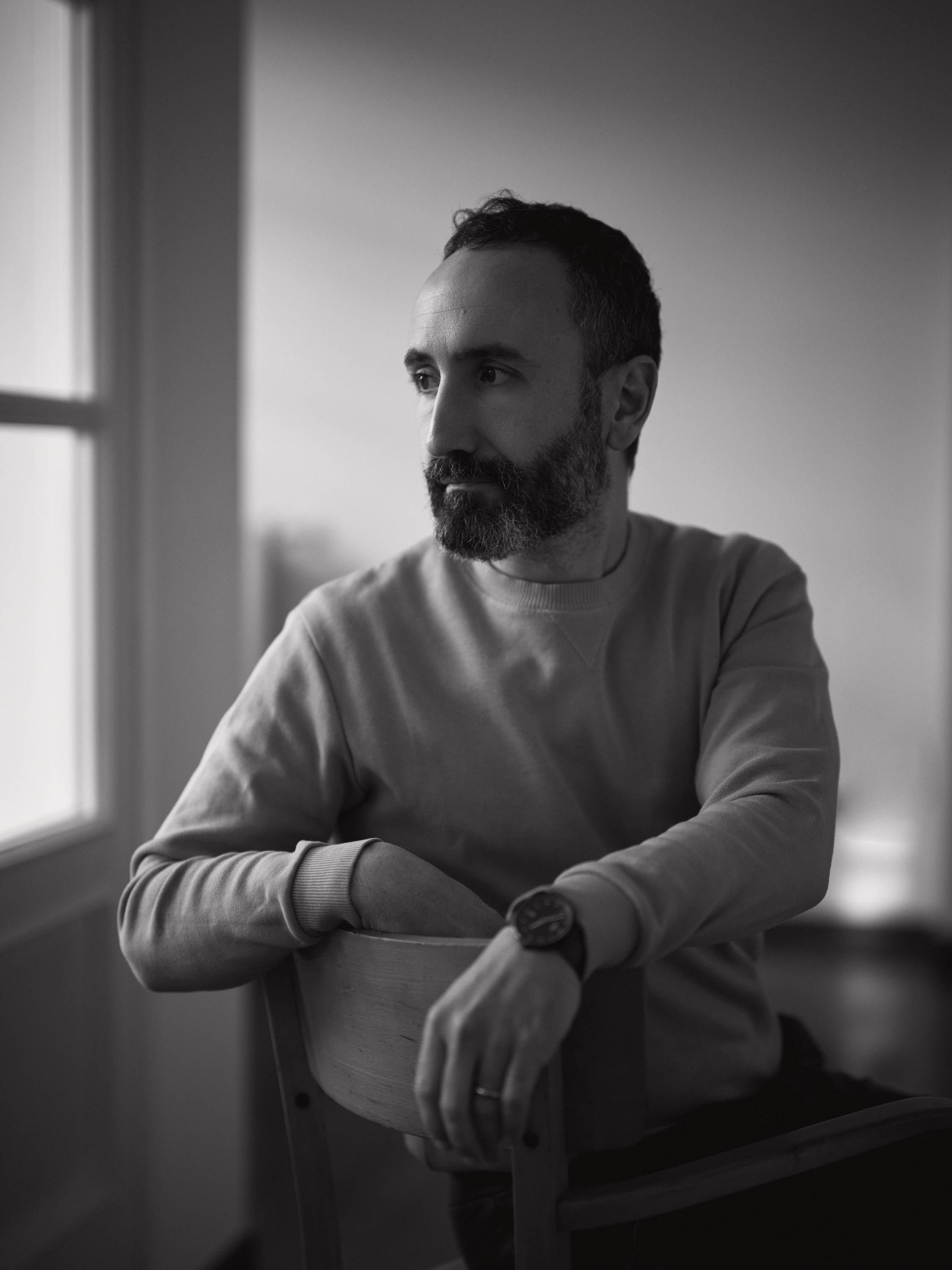
Photographer: Lorenzo Morandi
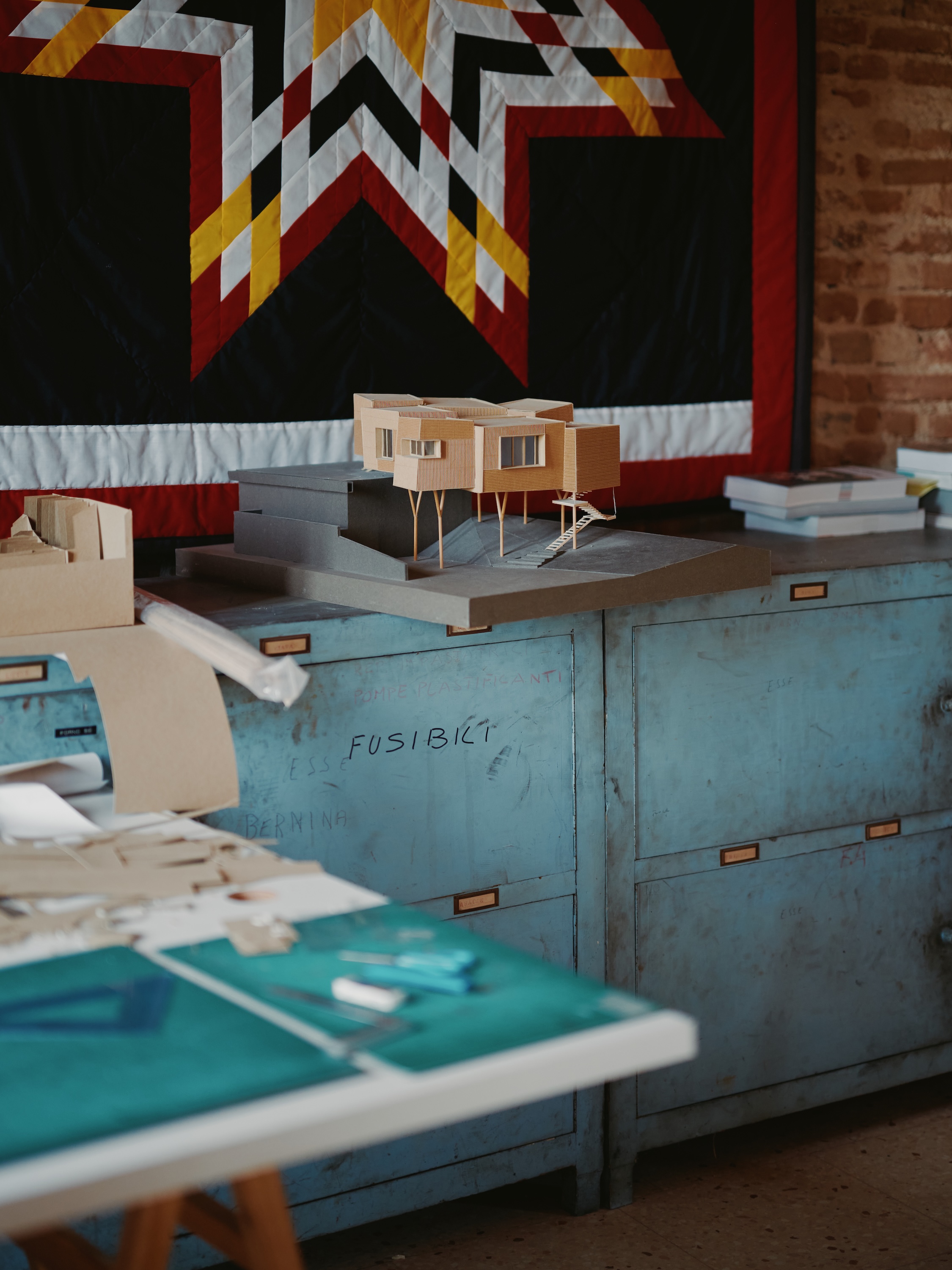
How does an architect and engineer become a photographer? For Lorenzo Morandi, it started with the realization that people were often an afterthought in design.
How does an architect and engineer become a photographer? For Lorenzo Morandi, it started with the realization that people were often an afterthought in design.
“I know that it sounds stupid,” he says, “but when you study architecture, you are so focused on composition, volume, space. Sometimes you forget people.”
It is a sentiment that will be familiar to anyone who has ever frustratedly walked in circles around a beautiful municipal building, desperately trying to find the way out. People are forgotten all too often in the pursuit of art — in architecture it typically manifests as form over function.
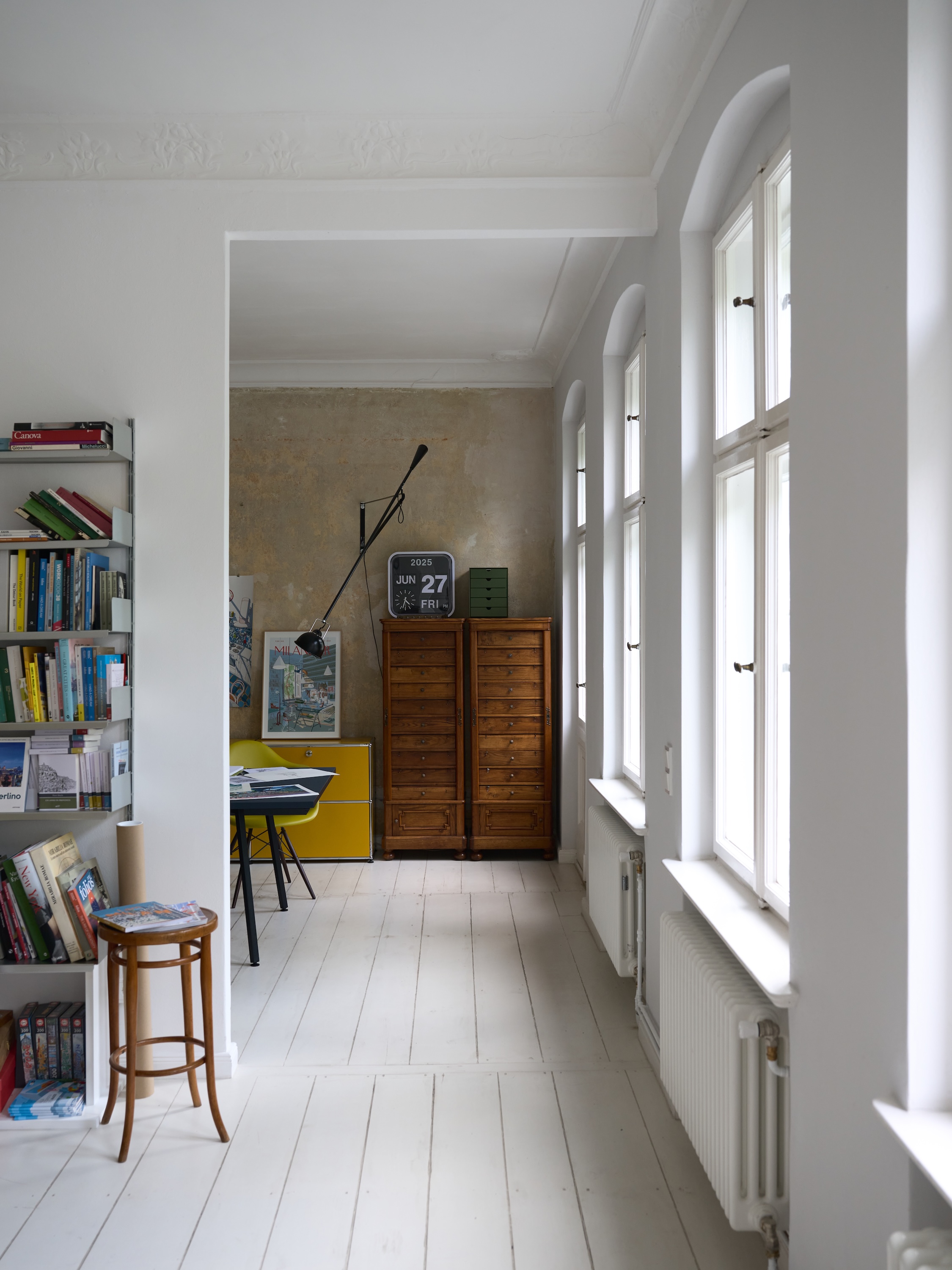
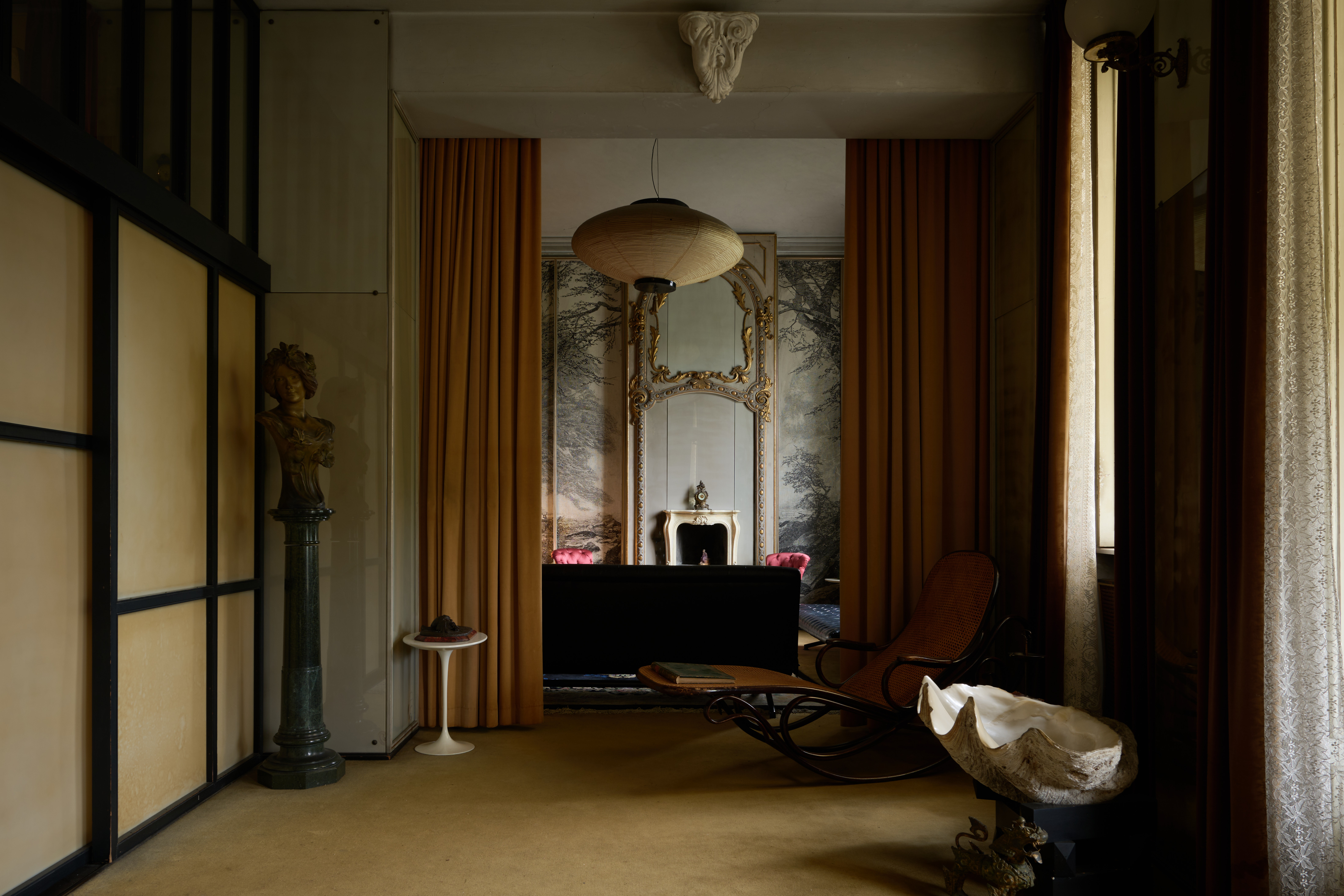
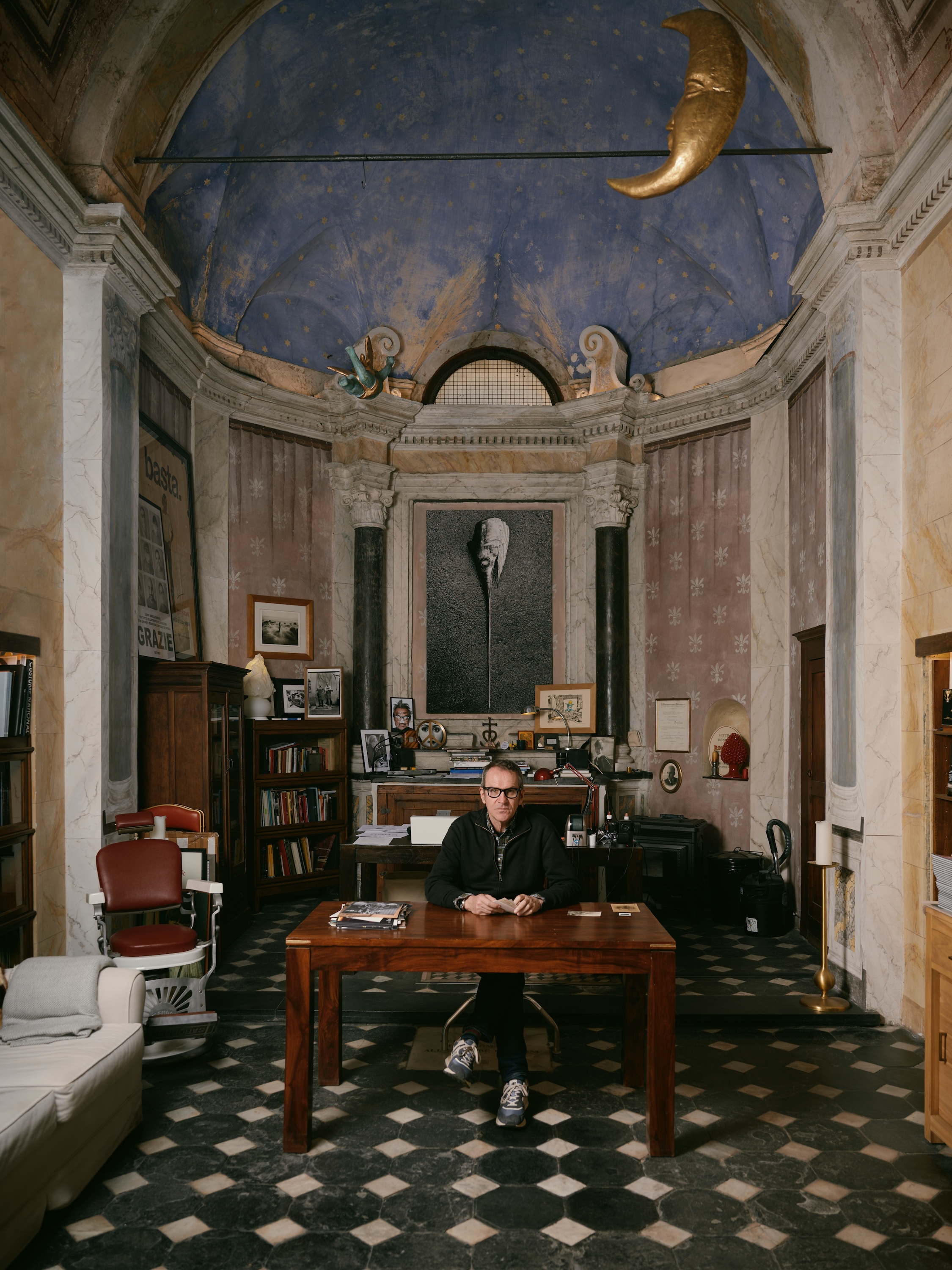
This realization was an epiphany for Morandi, who has since spent his artistic life trying to “know people through photography.” Instead of focusing on the space, he puts “people inside the space. I try to find the relation between people and their space.”
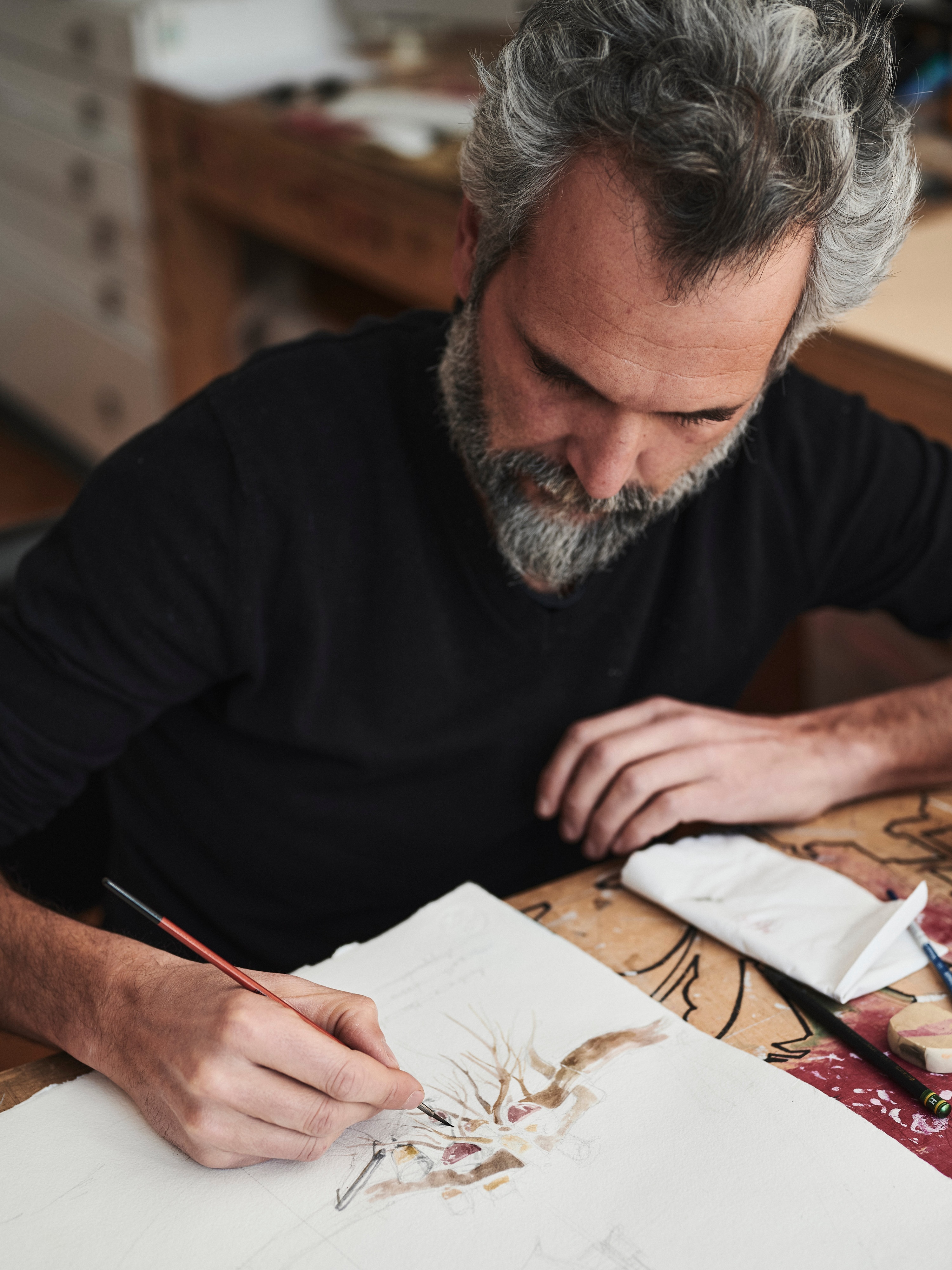
This desire is literally apparent with his current project: Your Story. It has been running for some years, and now reaches its zenith with the publication of his book. “I always try to meet great people,” he says. “I want to stay with them and discover their artistic process (through) a series of portraits, details, and still photographs.”
“Great people” is a wide term; for the most part Morandi focuses his lens on his fellow artists, but there are others in that category too: a Taekwondo champion, musicians, even an aerospace engineer who works as a liaison to NASA for the European Space Agency. Initially, the only defining criterion was that they were “people (doing) beautiful things that I like.” But in the process of shooting the series, he found there was something else these people had in common as well.

“They do things that stay true to the self,” he explains. “They took a risk and they went only in their (chosen) direction.” This quality of singlemindedness is the defining thread that runs through their life and work. Morandi has seen how powerful it is for himself.
“When I decided to concentrate only on photography — only images, stories, on visual storytelling — a lot of good things happened. This is one of the things I learned by talking with other people.”
It comes back again to people, of course, and although he continues to seek out people through their inspiring work, “I'm also interested in normal people, ordinary people, different aspects of humanity.” And he is always trying to get to the root of their reality, rather than simply depicting the face they want to show.
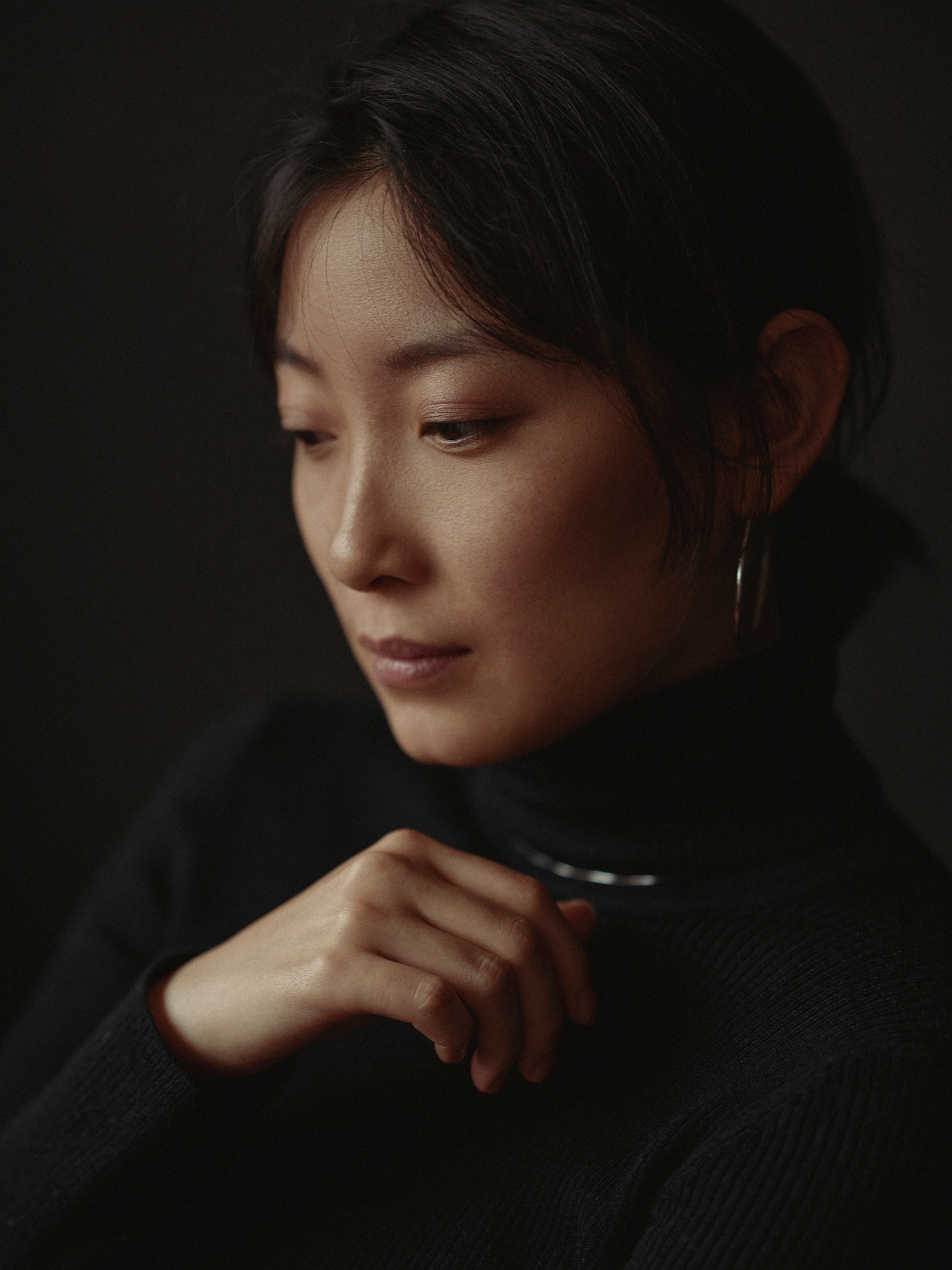
“I almost never photograph people smiling,” he says. “I think that’s a mask of the (real) personality.” Likewise, “I usually don't use artificial light,” and even when not shooting in monochrome, Morandi’s colors tend to be muted.
“That is related to what I said before about people smiling,” he confirms. Bright color is, for him, another way to hide a reality. Muted colors or black and white are a simplifying process enabling him to see more clearly.
“I always work with pictures in sequence,” he says. He often prints his images and lays them out to structure the tale he wants to tell.
“I recompose them on my desk to make a real story, a visual story. Many, many stories, the pictures are taken in the same moment, but the order depends on their real connection.”
The frame-by-frame recomposition makes a lot of sense, especially when you consider that Morandi is a cinematographer as well as a photographer. He has recently been shooting in a women’s prison for a new project.
“It's more interesting when there's a real story behind a person,” he says. There is indeed a lot of drama in his still work: intense shadows, and looming darkness. Sometimes you can almost hear the swell of a soundtrack behind them, so intense are they.
“Yes, it's true,” he laughs. “I am known for being the photographer who uses dramatic light, I know. It's the way I like to persuade people, by trying to bring out their inner personality.”
It’s a fascinating contradiction that he uses these shadows “to shine a light on their inner world. It's a way to discover them and to develop a real connection.” There is nothing new about the way in which he uses light and shadow — “it's the most classical way to illuminate a person. I find a lot of inspiration in classical paintings” — but he also wants “to show that they are digital images. They are pictures taken in this moment with a modern machine. It's this moment of modernity, of contemporary society.”
It seems that Morandi’s early epiphany about forgotten people has led to a quest to center people and society in his artistic life. And for him, the ordinary people are at the end no less fascinating than the great ones.
“The only thing I want to ask for is a conversation,” he says, humbly, a conversation with anyone who “represent(s) a piece of humanity”.