Editorials
Photographer: Claire Luxton
As a multi-disciplinary artist, Claire Luxton’s work has encompassed sculpture, oil painting, and installation art as well as photography.
As a multi-disciplinary artist, Claire Luxton’s work has encompassed sculpture, oil painting, and installation art as well as photography. It’s no surprise that computer-assisted post-processing now plays a significant part in her work, to the extent that it is not immediately apparent if you are looking at a painting, a photograph, or a wholly digital creation. She enjoys leaning in slightly to these uncertainties, “especially now with the hideousness that is AI”.
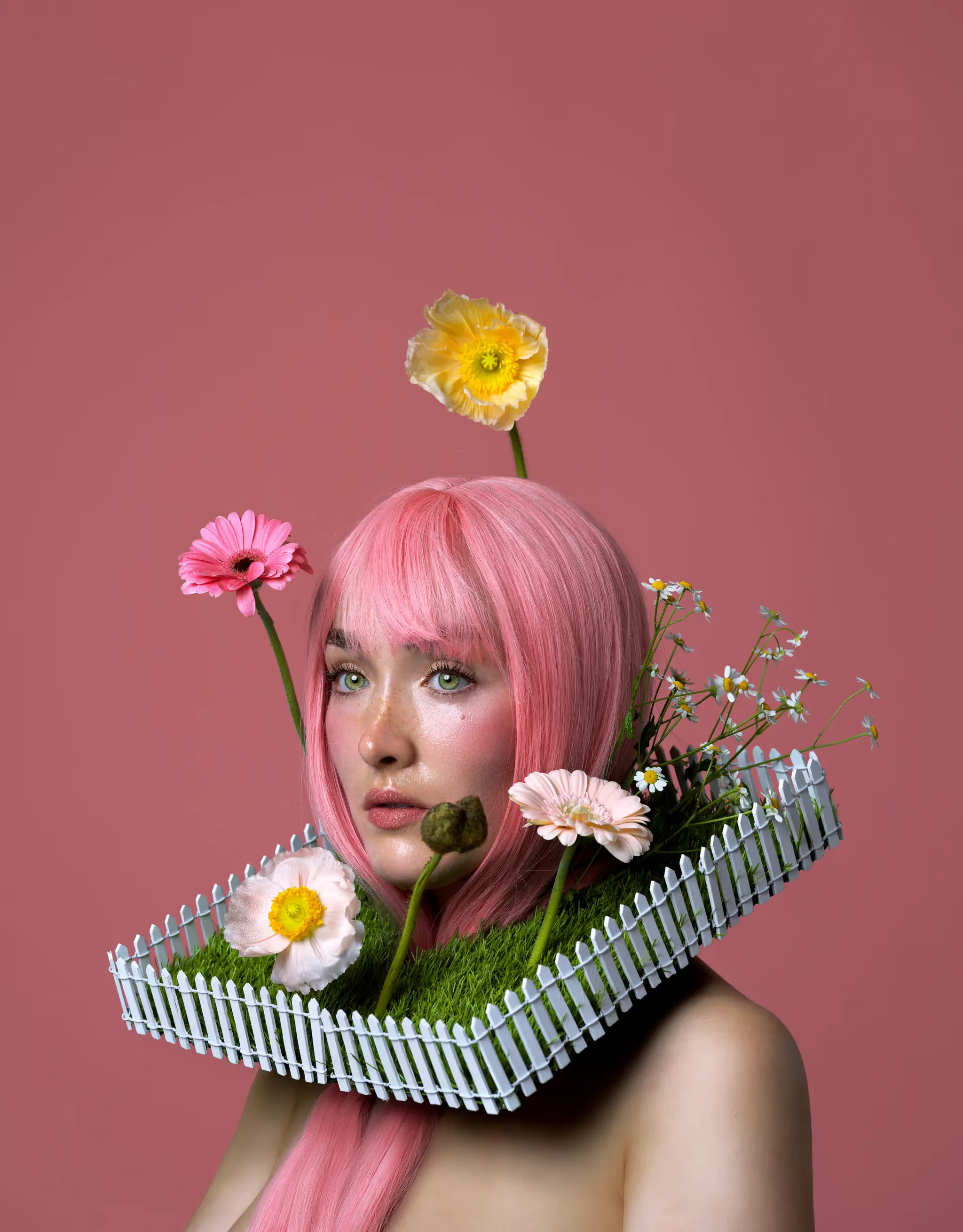
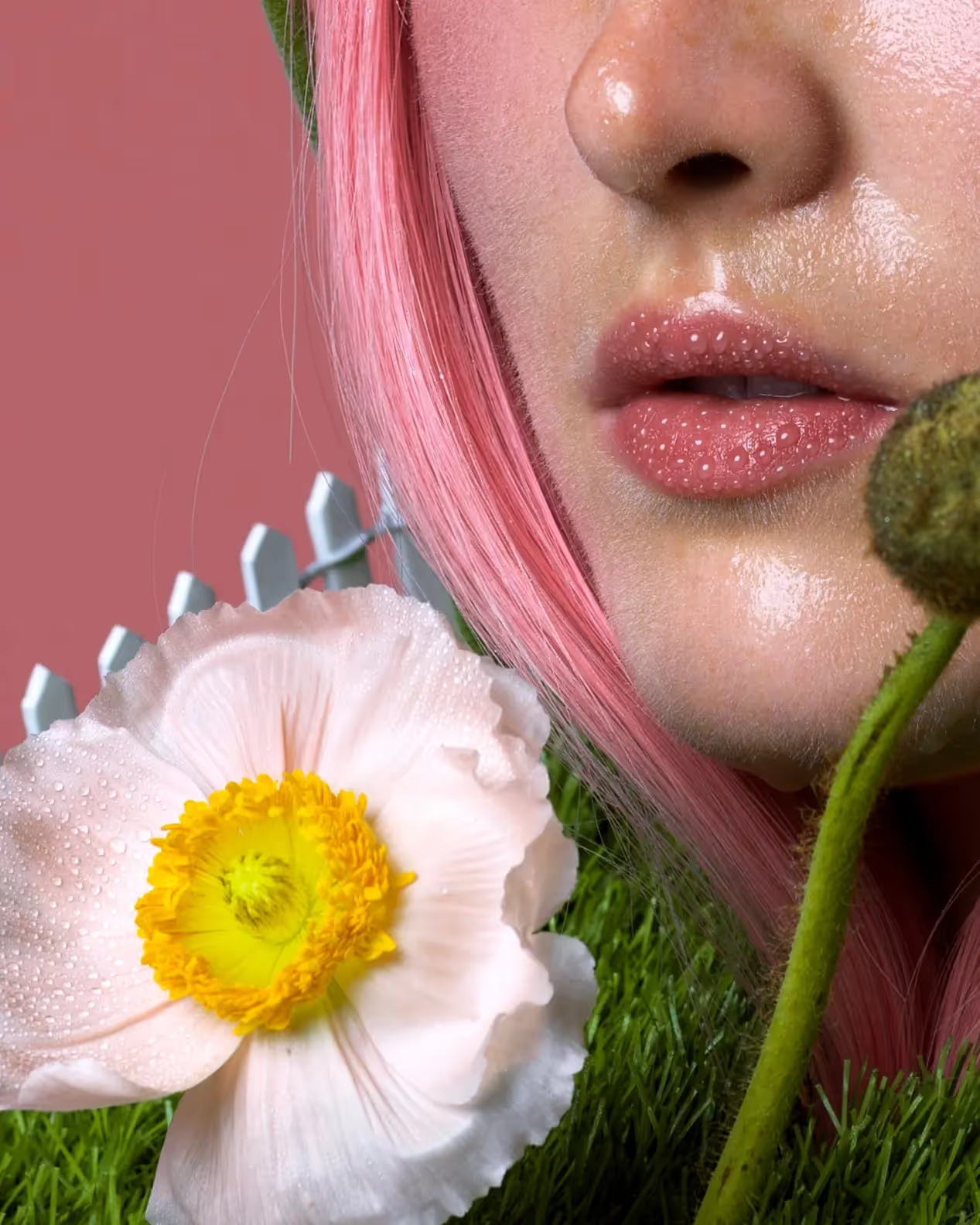
Luxton’s images are highly stylised, and formally composed; at first glance as glossy as a high fashion magazine, air-brushed in their perfection. Her self-portraits depict her with dewy skin, perfect eyebrows, not a hair out of place – in essence, her subjects appear with a precision and purity that have more in common with the sharp lines of the digital world than the messiness of real life.
It’s this quality that Luxton plays on, to hook the viewer and draw them in.
“We're very used to looking at beautiful, perfect images,” she says. “I like to use that as a vehicle into the narrative.”
But you would be gravely mistaken if you thought her body of work is an exercise in vanity. Luxton lulls you into an easy sense of security, with a familiar “beautiful” image, before turning it on its head. The narratives in question are unquestionably uncomfortable.
“It is instant visual stimulation, but if someone then sits with it for longer, I want them to realise… ‘Oh, wait! Wait, what is this?’”
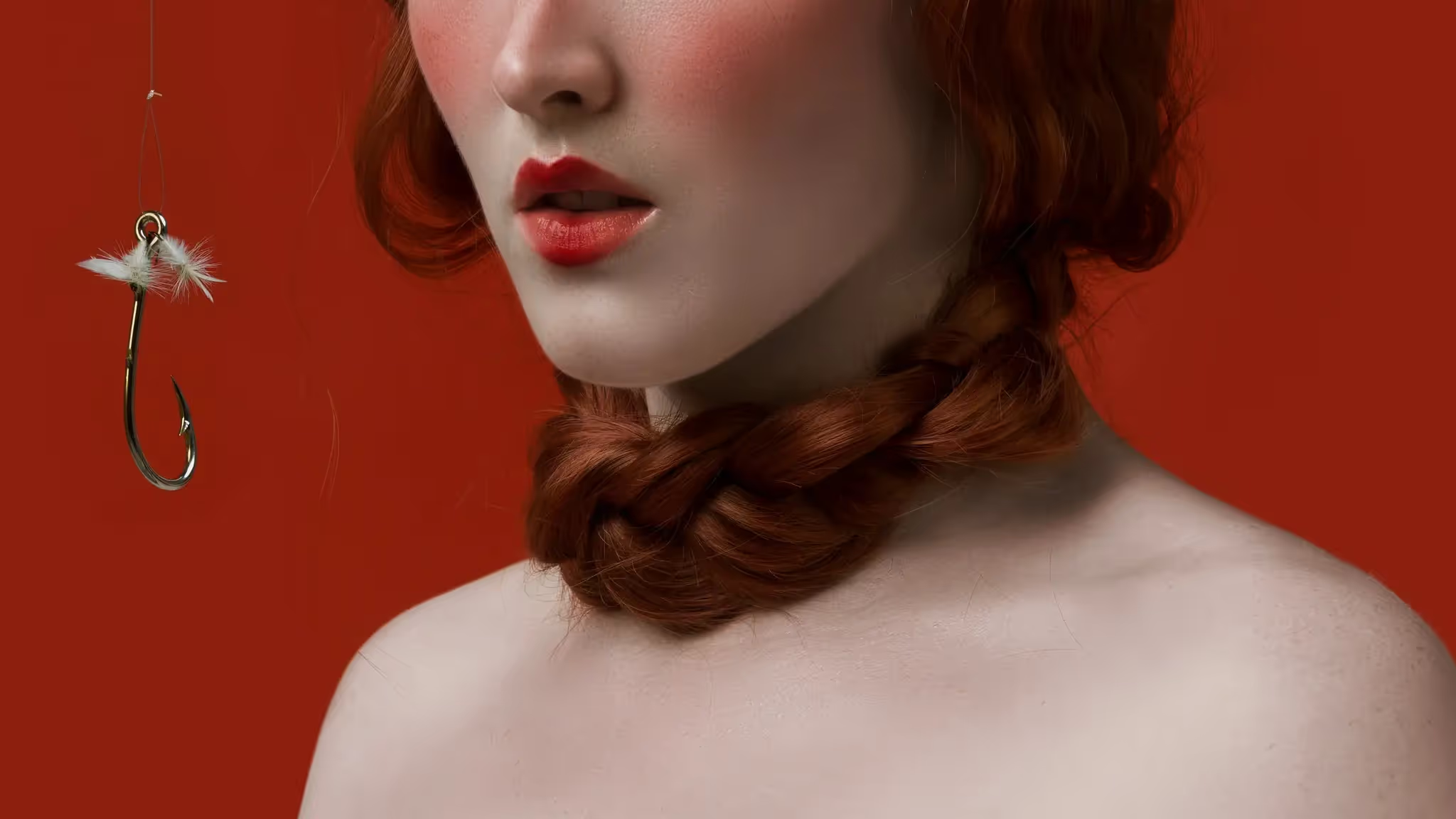
It’s these types of ambiguities that appear time and again in Luxton’s work. She depicts herself with her own hair plaited and wound – tightly? – around her neck; her tongue tied up with a ribbon; about to take the literal bait from a fishhook dangling before her face.
In all these images, Luxton appears as her own subject with a completely neutral expression – at most, mouth a little open with mild surprise. As the subject, she does not appear to have any agency or even opinions: she is being done to, rather than doing. It makes for unsettling viewing. Still more uncomfortable would they be if you didn’t know they were self portraits, and even more so had the artist been a man.
Gender is a theme that crops up repeatedly and one that Luxton pays explicit attention to. In art, historically, as she says, “women are the subject and we are the object.” They are not the creators.
“What value could we (women) possibly hold without beauty?” Luxton asks, sarcastically, and goes on to answer the question in her work. Her images are an inversion of the male gaze, turning the story of beauty on its head – who embodies it, who defines it, and who depicts it. In her work, she is all three of those people at once.
“I deliberately like to play with this concept of the narrative of beauty,” she says.
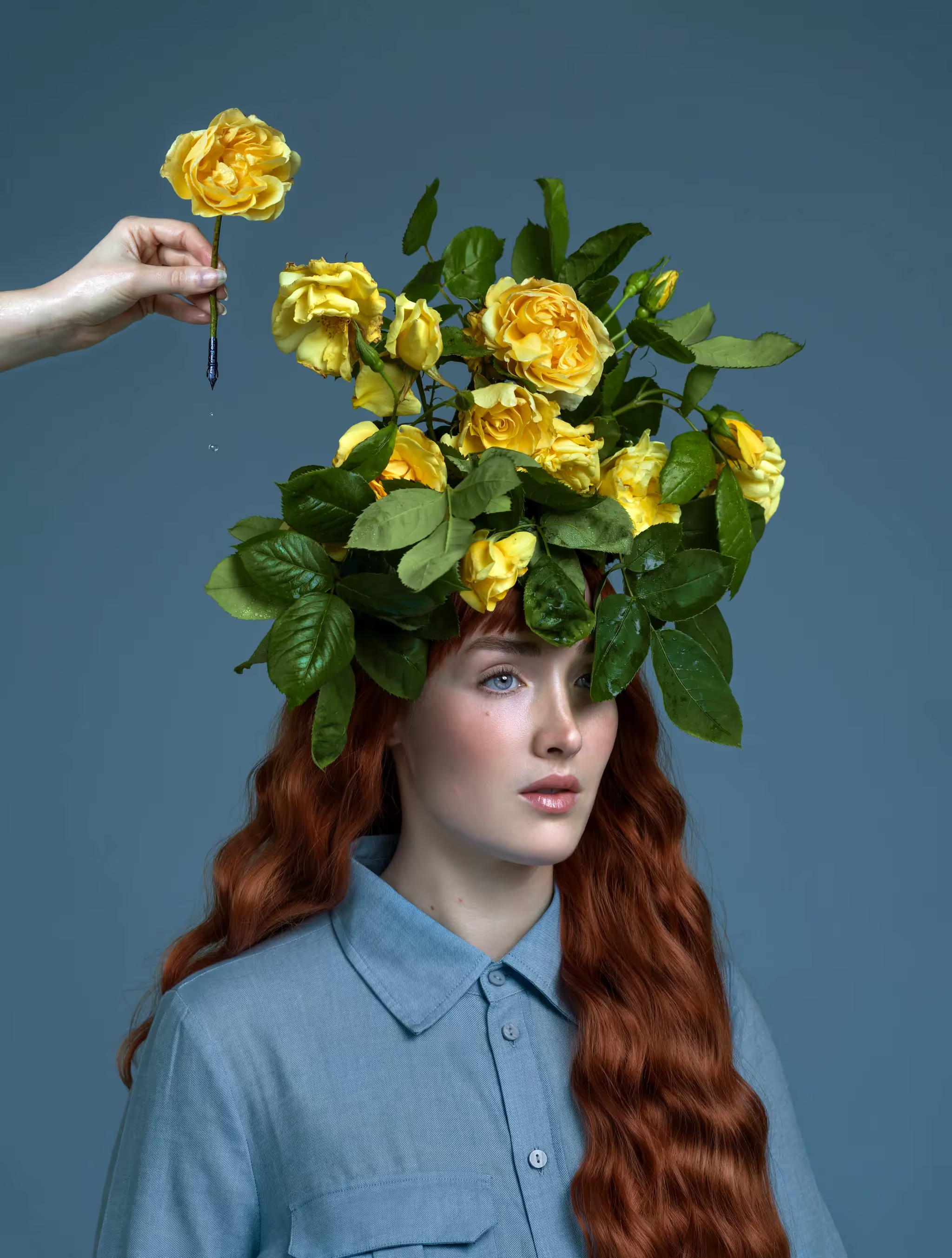
Narrative, of course, can be understood literally as well as metaphorically. Luxton is a poet as well as an artist, and for each piece, there is an accompanying poem. She explicitly references her written work in one piece, titled “The Poet’s Wife”.
i was a story
i was a bud newly open
i was a bloom in your garden
i was the poet’s wife
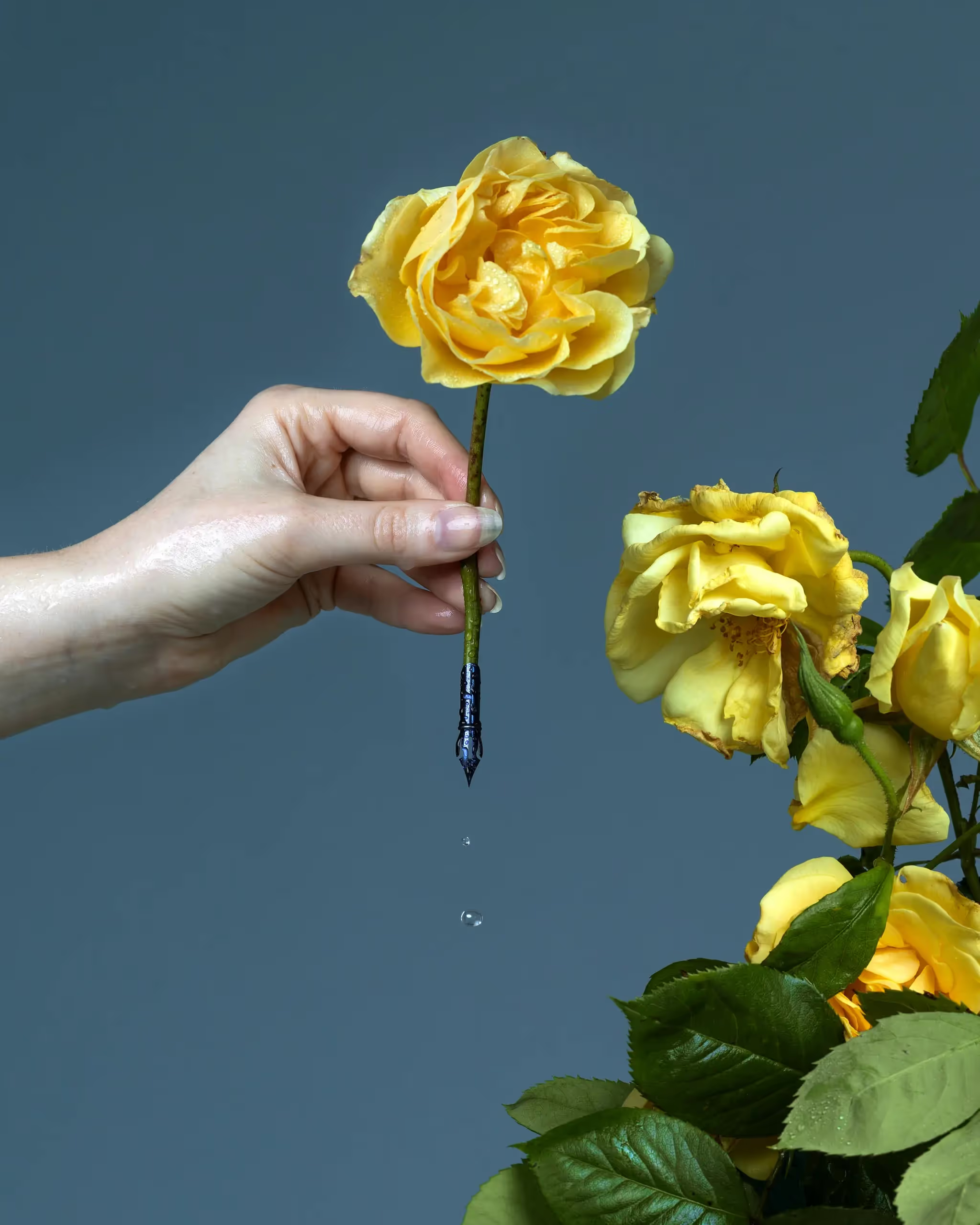
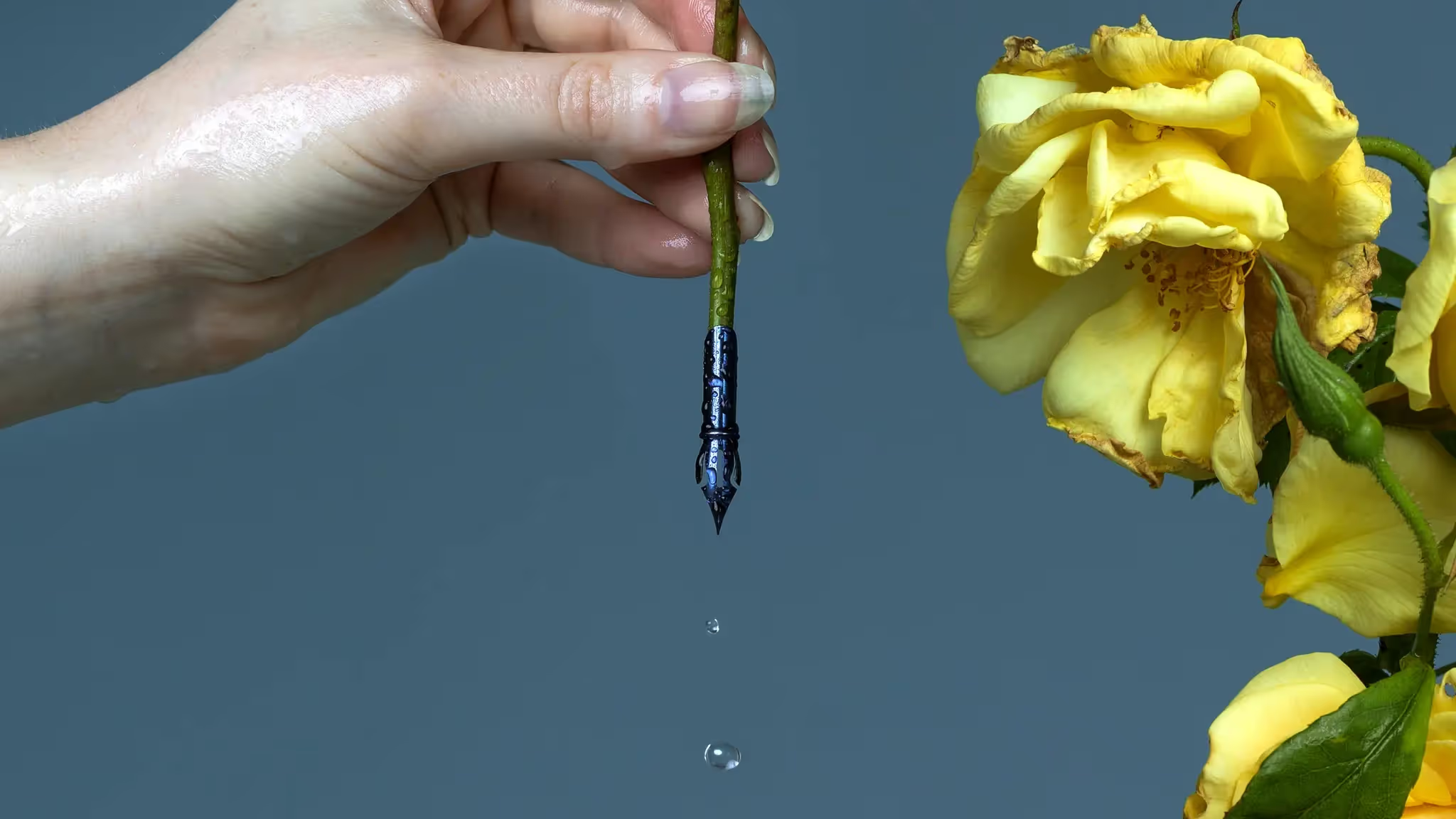
In the image, the female subject is depicted with a crown of wilting roses that must be at once both decorative and sharp with thorns. A flower tipped with a quill pen, dripping with inspiration, is being plucked from her head. Or is it?
“That’s a valid interpretation,” agrees Luxton, “but I was also playing with the idea of being married to your craft.” Perhaps the quill is not being plucked after all, but rather planted?
Although extremely contemporary in style, her work continually holds hidden messages such as this – or as she calls them, “Easter eggs”. This type of subtle symbolism is a hallmark of many classical artists, with their lilies, snakes, and memento mori scattered throughout their paintings; where closer inspection rewards the viewer with concealed layers of meaning.
It’s a deliberate choice by Luxton, who wants her audience to slow down and engage on a deeper level.
“I'm really interested in people exploring long-form content, in terms of how they can see things,” she says. In the modern world, there are a hundred things jostling for our consideration and always something new to jump to, should our attention fade.
Luxton cleverly exploits these magpie-like tendencies with her striking imagery that draws you in in an instant. But taking a longer, closer, look, beyond the immediate – and undeniably eye-catching – colour and form, is the journey that will reward you most of all.