Editorials
Etienne Viollet’s Joyful Laboratory of Surrealism
Give the subconscious freedom to roam and it can deliver the most delightful absurdities
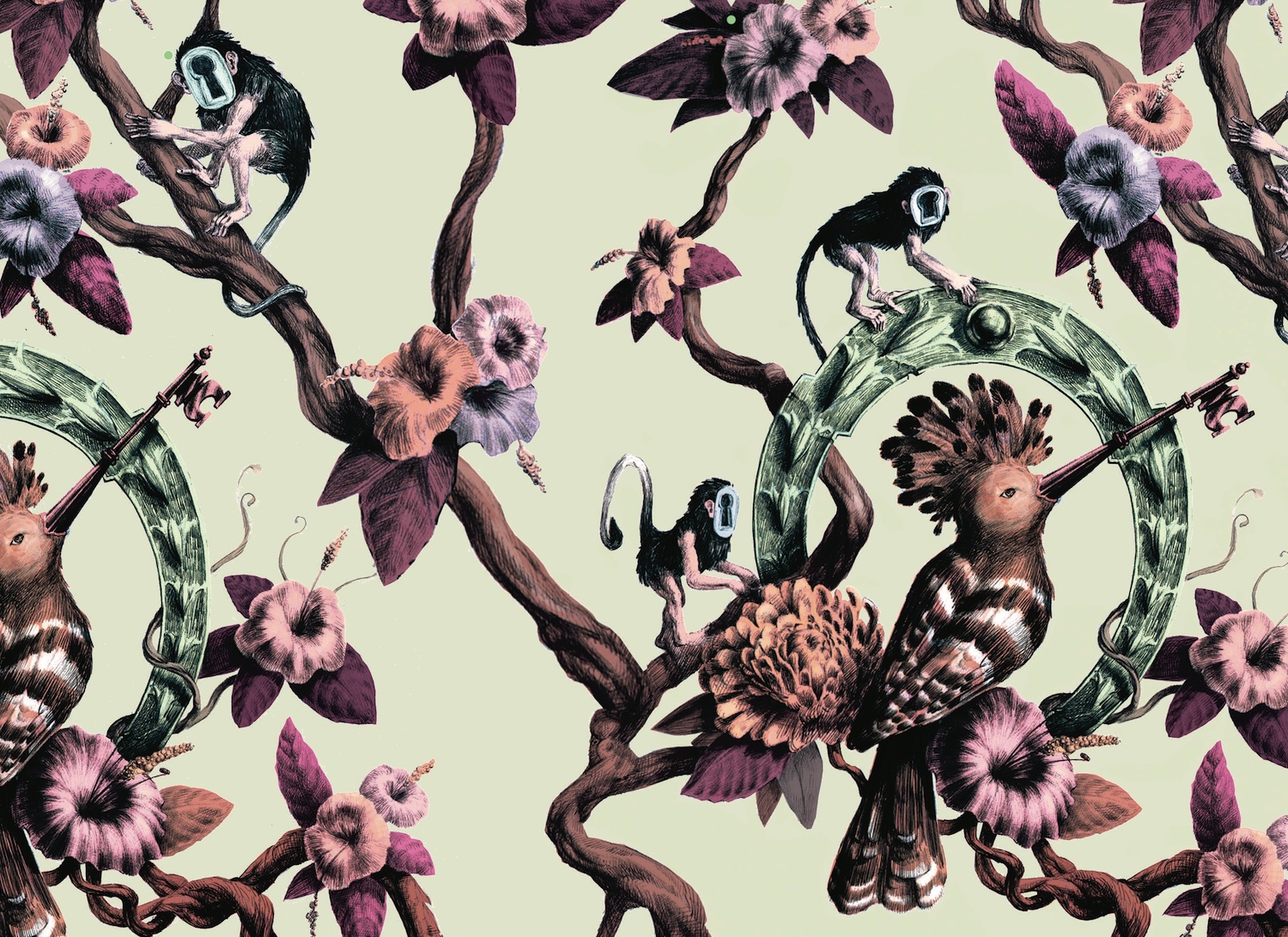
In description, the world of Etienne Viollet’s drawings evokes dark Victorian science. A mad scientist; a diabolical laboratory; biological fragments stitched together with mechanical hardware creating a procession of hybrid monstrosities. It sounds like it’s straight out of Mary Shelley: Frankenstein and his monster, made from an unsettling, gothic fusion of animal, vegetable, and mineral, animated by electricity. An ominous warning of where unchecked scientific endeavor can lead, when ethics are overlooked.
But when you look at his work, any lingering dread evaporates entirely. Viollet’s work is not monstrous; it is deeply, enchantingly light. It feels like stepping into a lucid dream — weird and surreal, yes, but thoroughly good-natured. His chimeric creations do not exist to terrorize or warn, but to invite you into a shared state of wonder at the curiosities of the world.
It’s no surprise when we take a look at his formative years. Viollet’s parents cultivated flowers to sell in local markets, and he accompanied them as a child. “I cut many flowers in the fields for many years of my life,” he says, accompanied by “insects, animals, all the vegetation, so many plants. That's why… a lot of my inspiration comes (from) the natural world.”
For the young Viollet, nature was not only marveled at but constantly shaped, gathered, and brought indoors to enrich domestic spaces. Cut flowers are, after all, an act of intentional domestication — taking a wild, living thing and framing it for human appreciation.
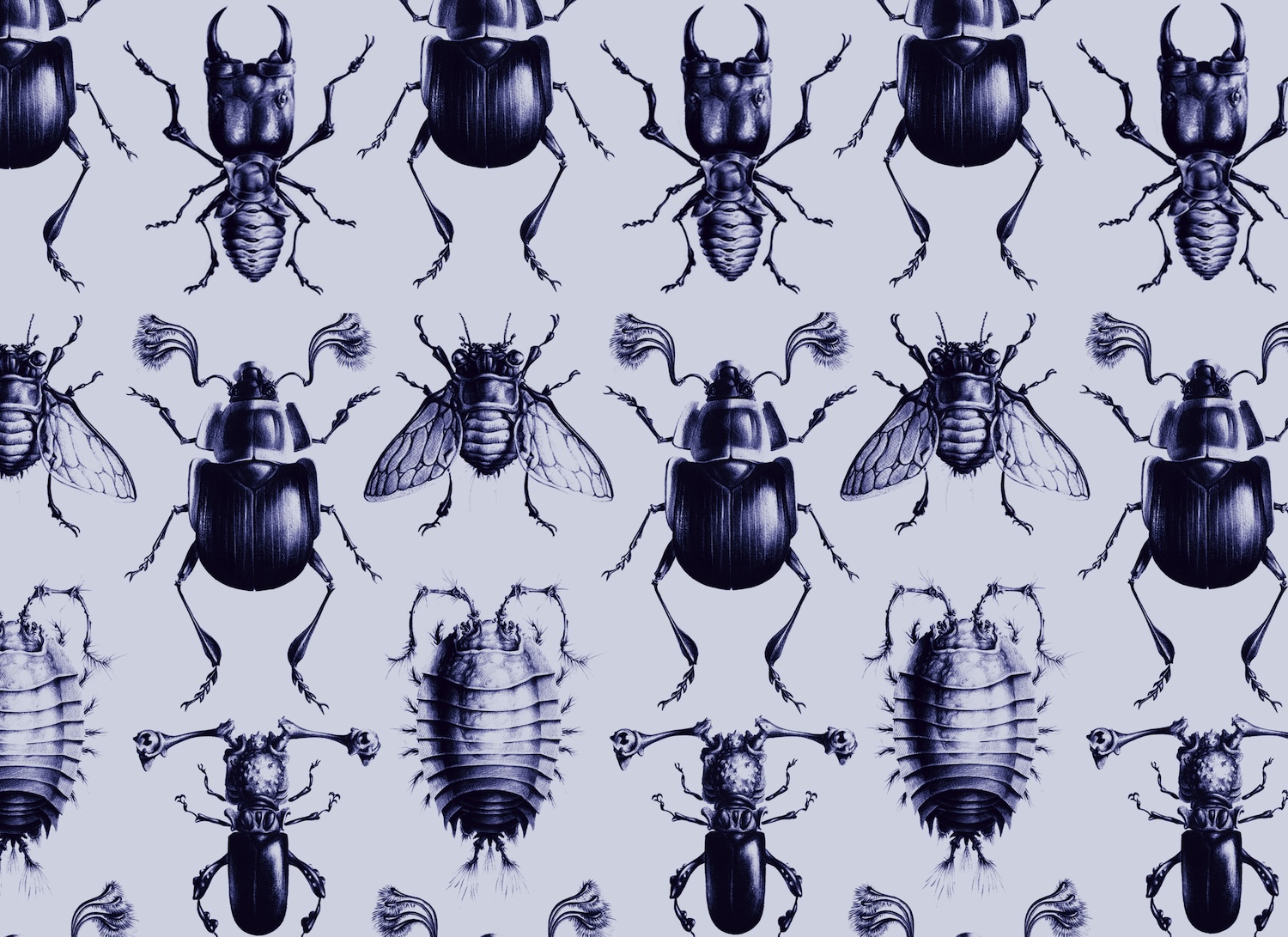
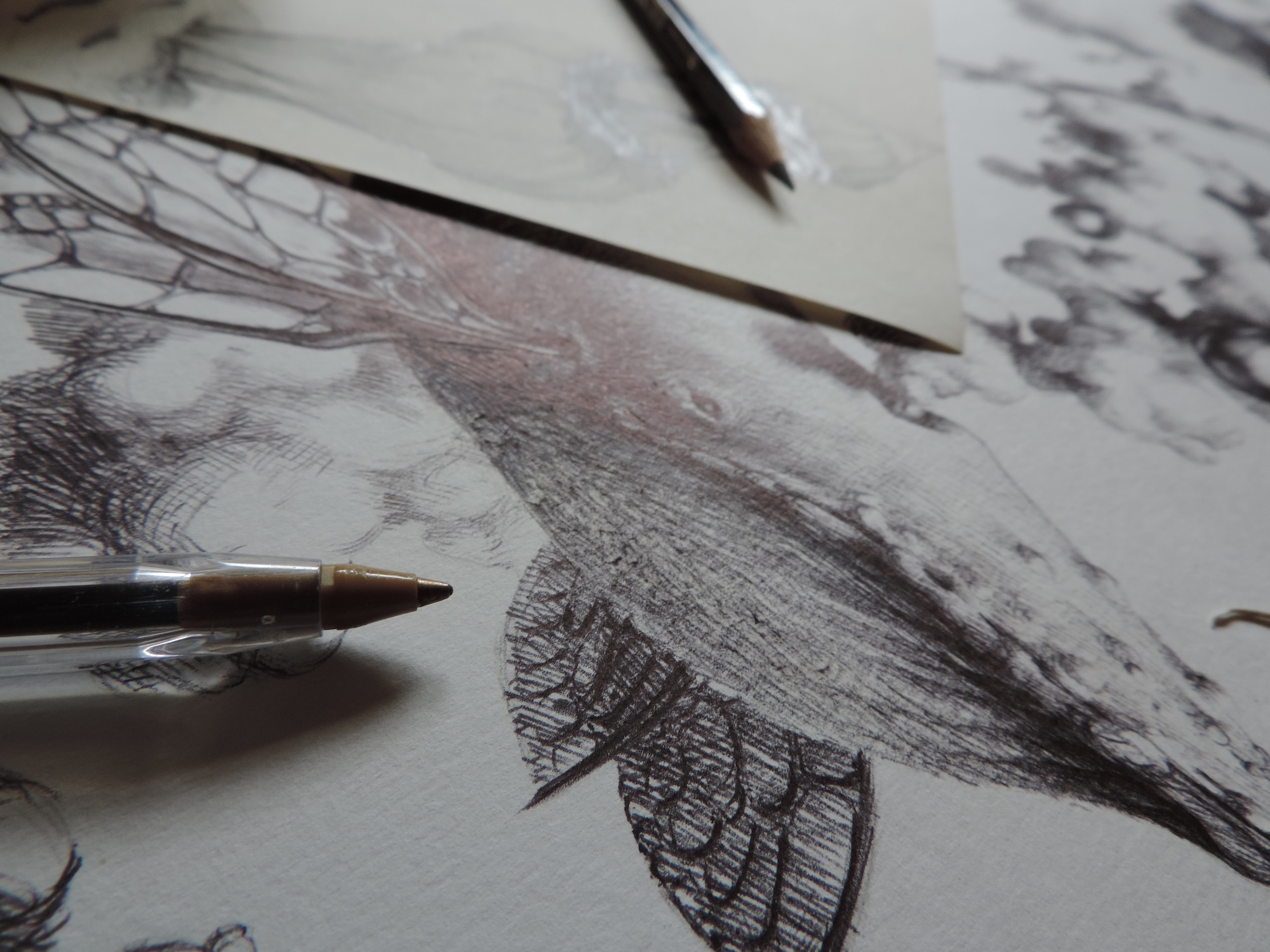
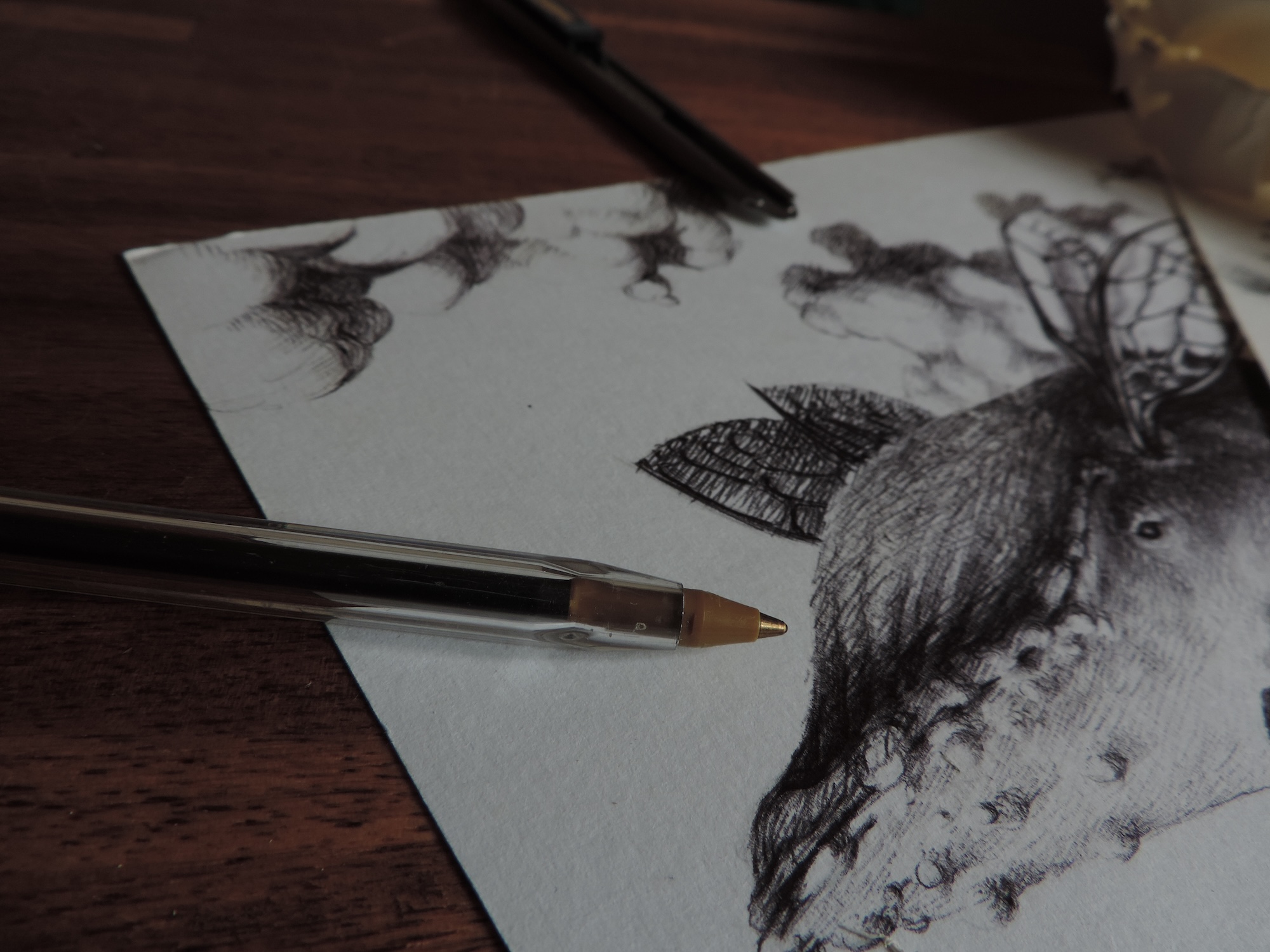
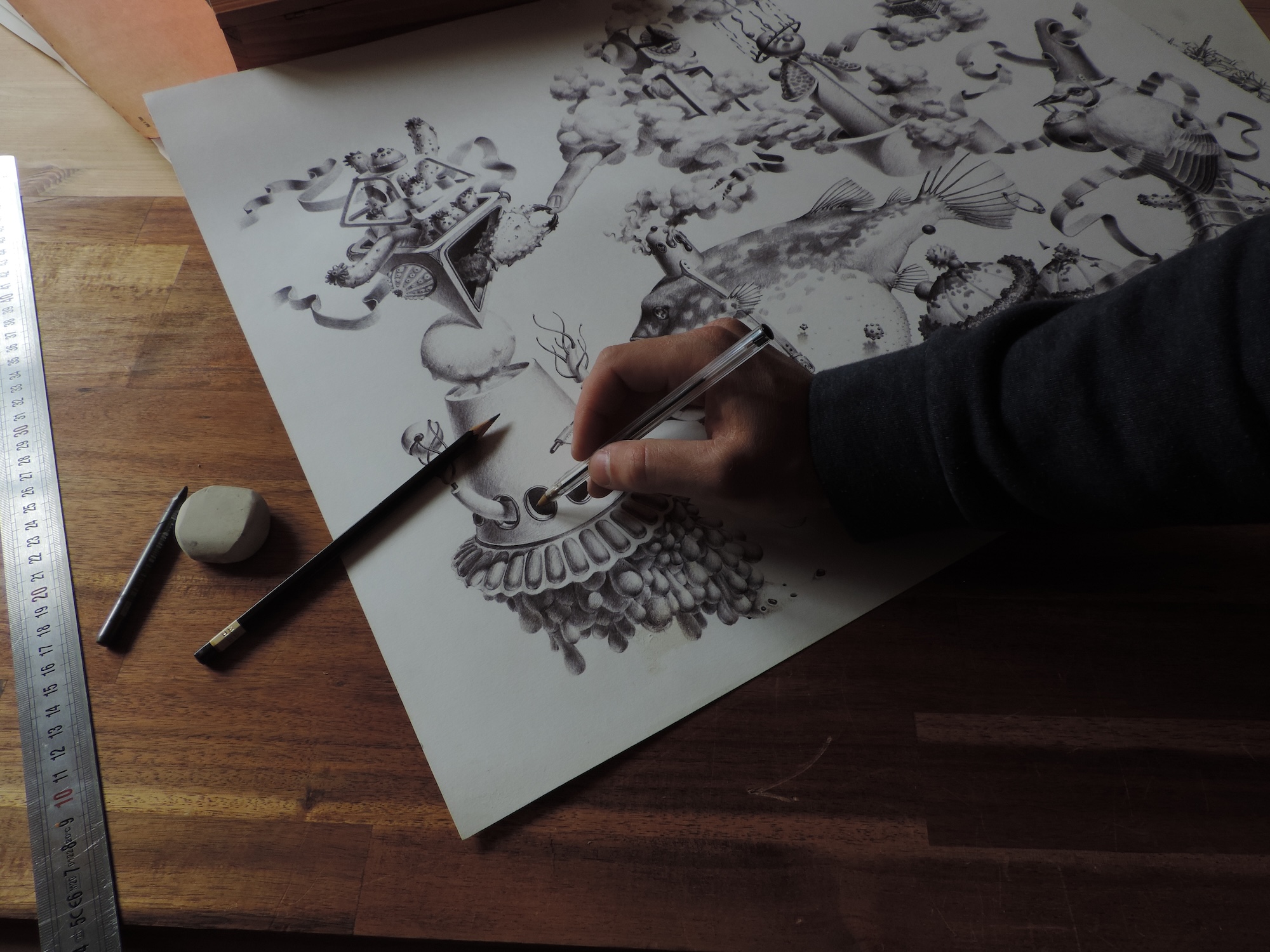
But his mother was an artist, too, and both parents encouraged him to follow “the passion of the heart.” He studied illustration in Nantes and developed his love for drawing, paper and the simplicity of a Bic pen, “always there to hand” he says. Even today, he still develops his sketches with a Bic pen on paper, firstly with automatic “drawing without purpose” from the subconscious, in the time-honored surrealist method. He then takes disparate doodles and combines them into a single piece, cross-hatching and repeating patterns. All done, of course, with his beloved Bic pen, giving him the “strong dark... and soft shades of gray” he requires. The drawings are then uploaded into a computer and digitally washed with color before being printed.
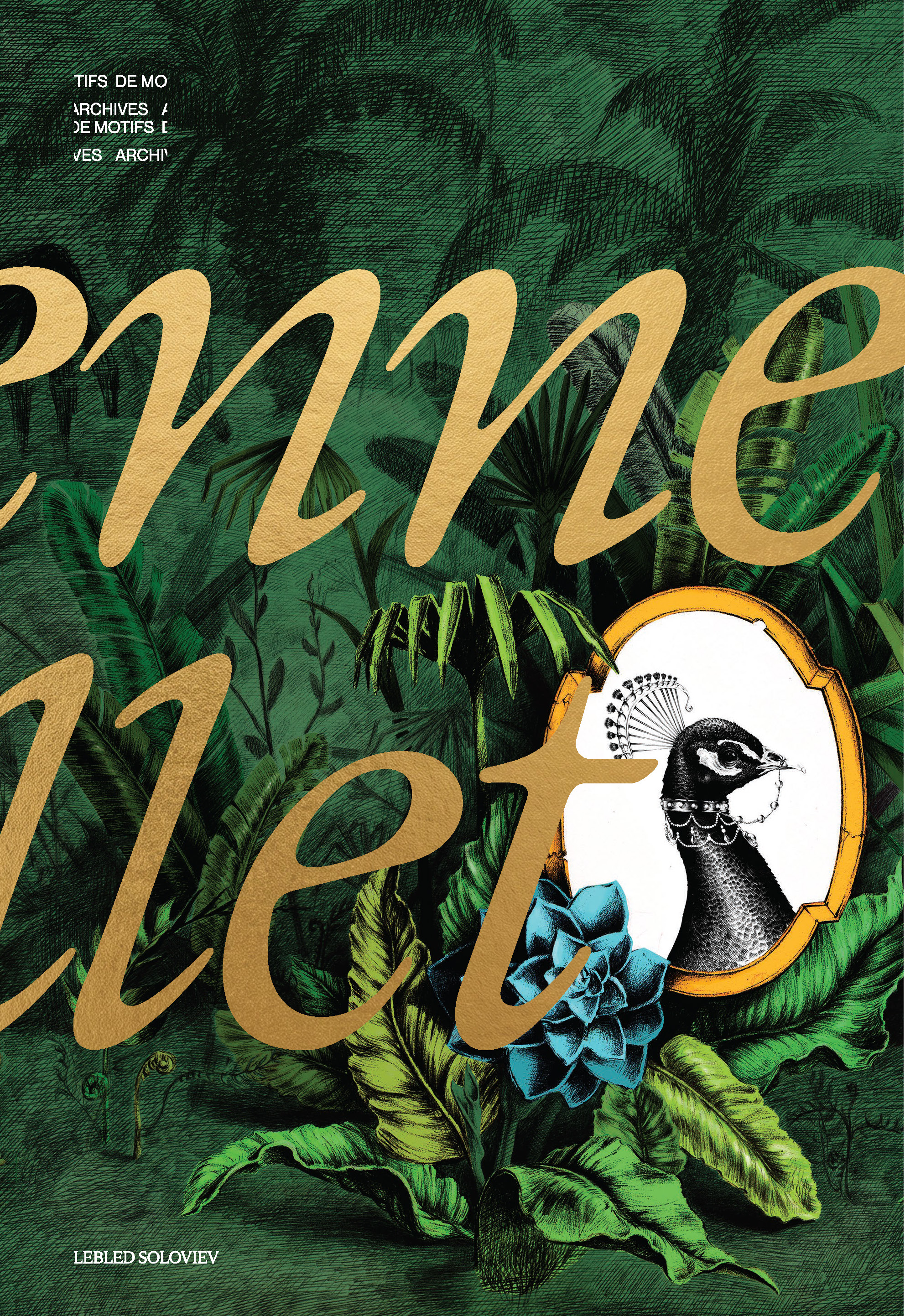
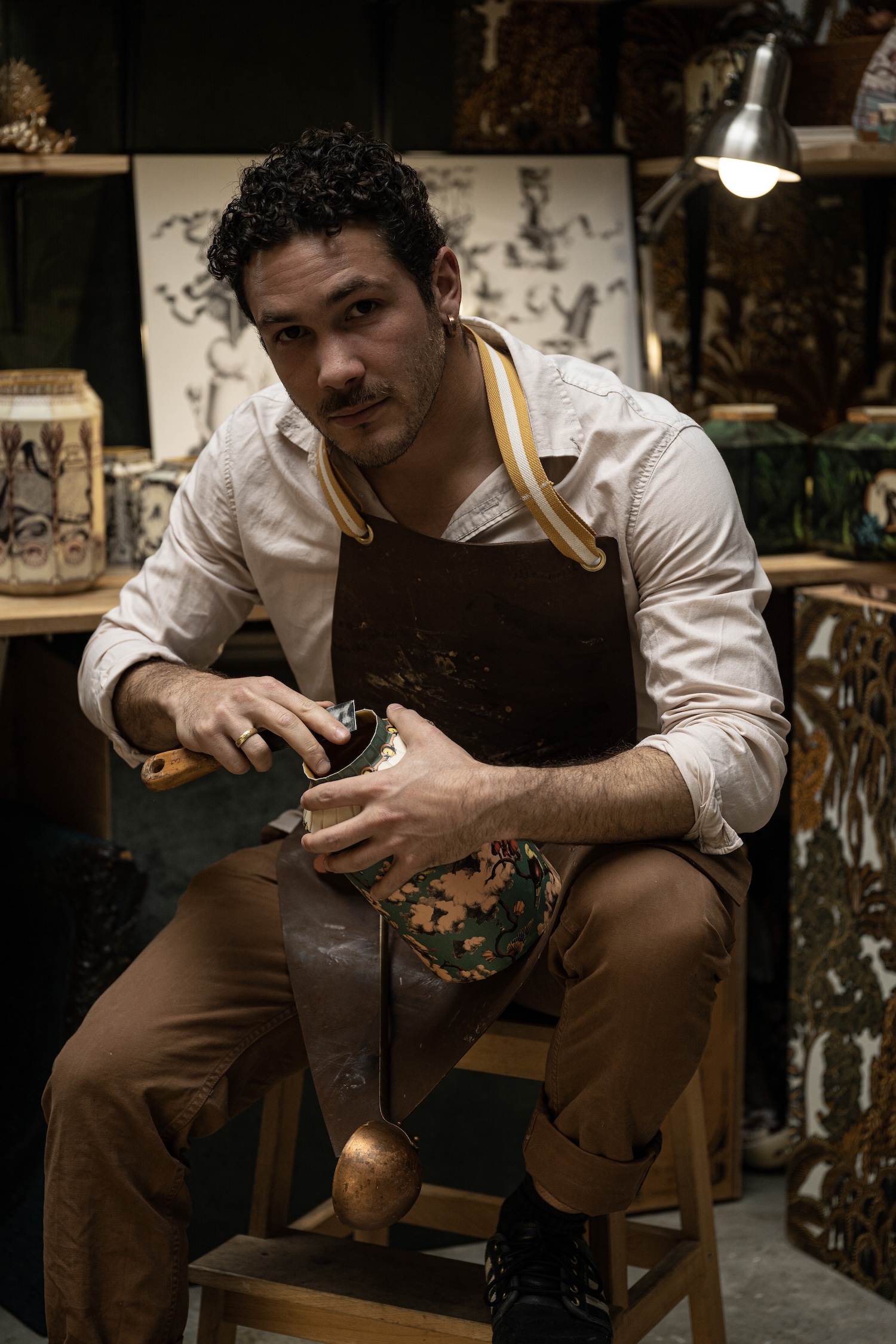
You can see it as a more formalized, deeply imaginative extension of his childhood inheritance. Whereas his parents brought physical blossoms into the home, Viollet builds entire ecosystems, weaving feral flora and fauna into his designs. For the last ten years, he has concentrated mainly on three-dimensional work, especially his innovative vases made from paper and immersed in wax to make them waterproof. In the first volume of Archives de Motifs, we see his excitement in getting back to two-dimensional work.
“I want to draw just for the drawing,” he confirms.
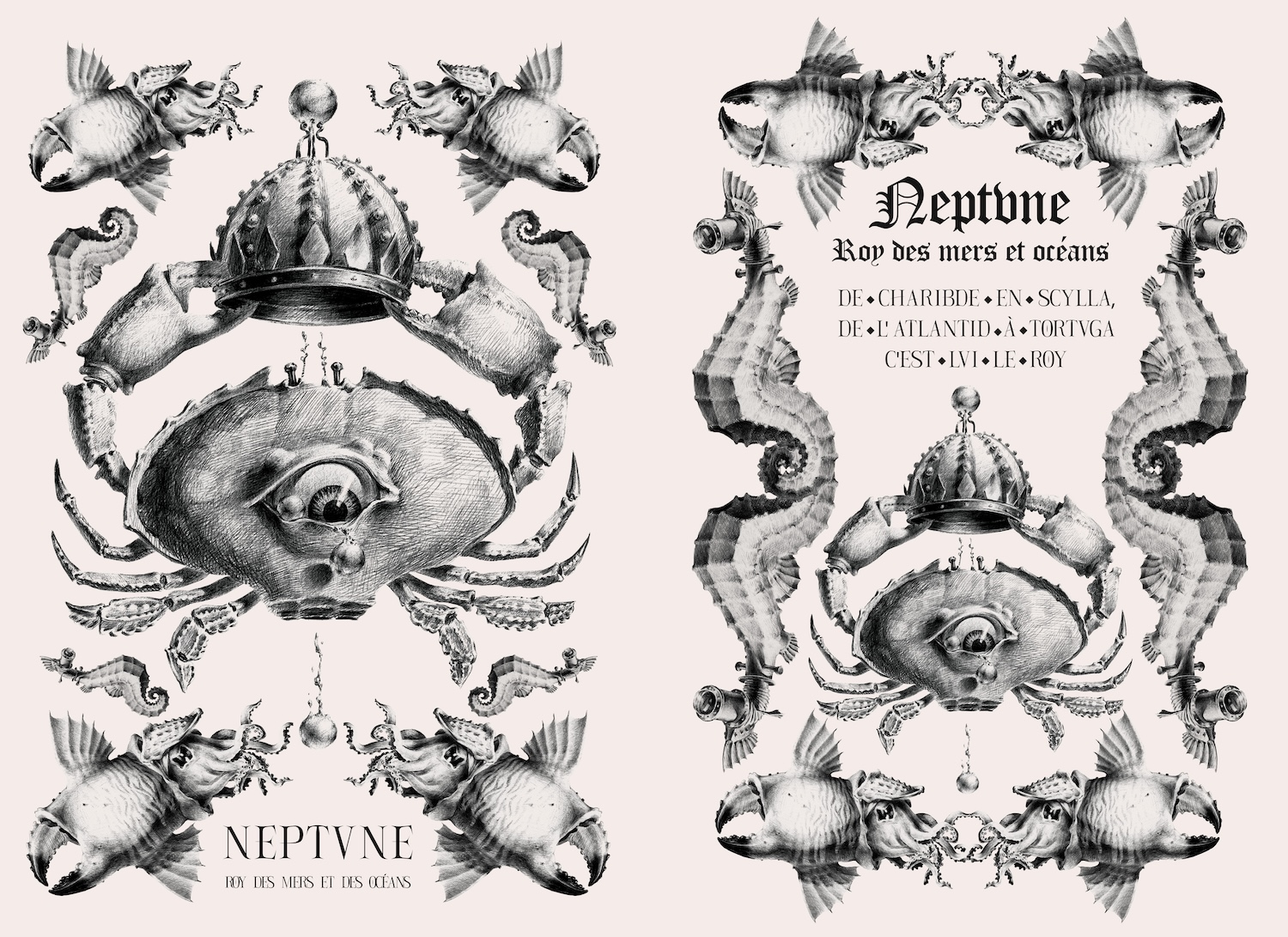
And when you look at the work itself, you can see why. Whimsical and playful, Viollet has tapped into a subconscious not of dark repressed anxieties, but a delightful playground of curiosity, wonder, and innocent absurdity. Visual ideas often spark from the phonetic collision of unrelated terms: for example the libellule (dragonfly) meeting the baleine (whale). The result? An enormous humpback gracefully cleaving through the air on iridescent insect wings. This is not the grim alchemy of a dark laboratory nightmare, but a jeu de mots — with jeu (play) being the key point.
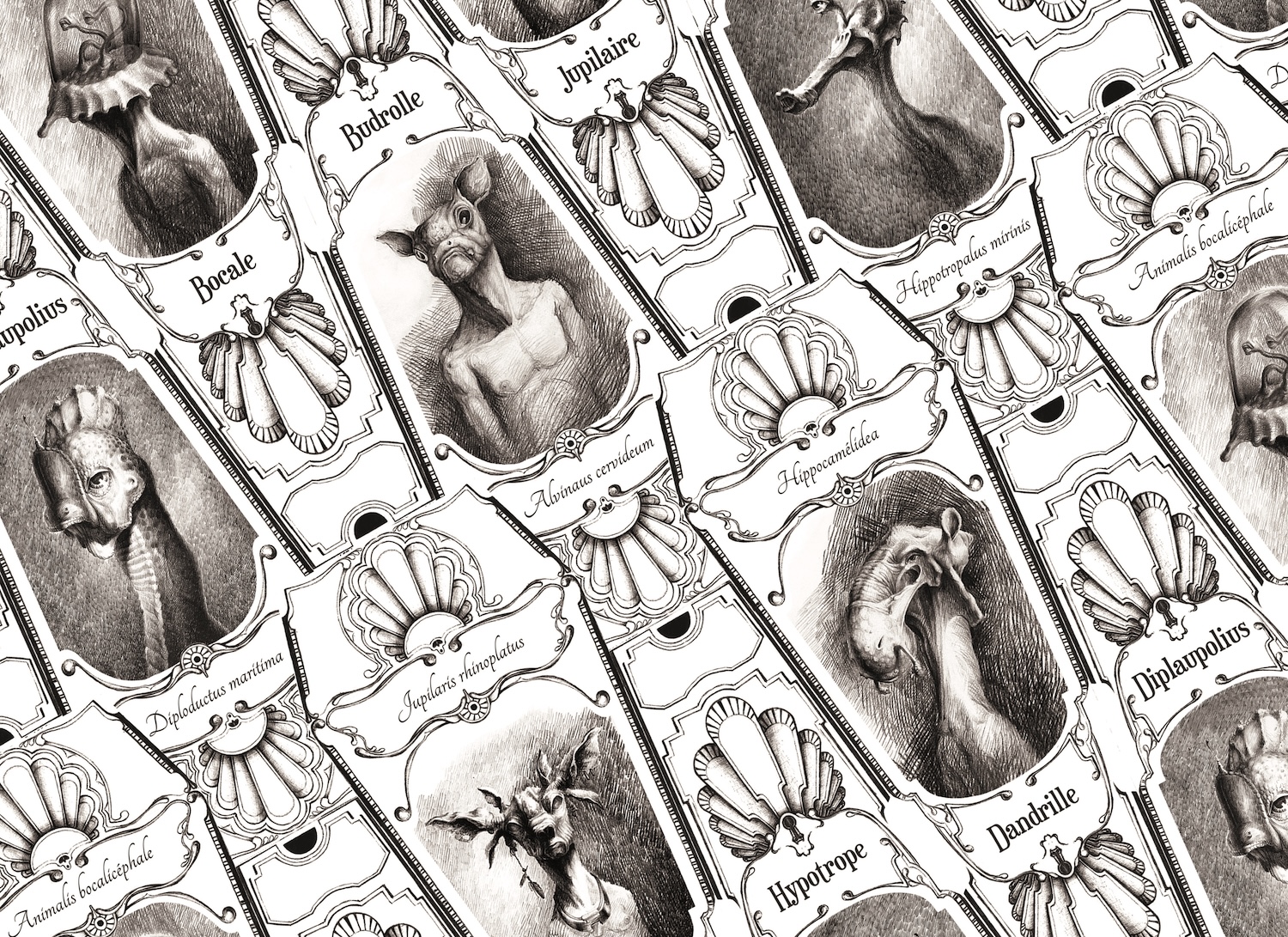
Historically, natural wallpaper patterns generally fall into two camps: firstly, the slightly sentimental pastorals of Toile de Jouy patterns or William Morris’s Strawberry Thief. And secondly, the dense patterns of overlapping leaves and verdant greenery, designed to show off rich pigments in their wealthy Victorian owners’ homes. These darker designs can have a slightly ominous flavor for contemporary viewers, as if the big bad wolf of Red Riding Hood infamy is hidden among the undergrowth.
Viollet’s work straddles the two ends of this spectrum. It is a dark pastoralism: Gothic leaning, yes, yet with an unmistakable lightness of tone. We may have wandered into the deep dark woods, but the rules of terror have been suspended. If his creatures were indeed created in an experimental lab, they have broken free and instead of wreaking havoc, they are simply making a joyful life for themselves.
Monkeys peek out from behind antique locks, strange bird-beak keys ready to unlock them. Surreal animal hybrids frolic in the clouds or pose for their cameos. Steam-powered puffer fish glide with stately elegance and bejewelled peacocks proudly show off their precious gems alongside their colourful feathers.
It is the wide-eyed wonder of a child that Viollet shows us. A child who has never known nature or man as anything other than delightful. The curiosity of a child who looks on difference, wildness, and freedom not as something to fear, but something to spark interest and joy.
As any close reader of Mary Shelley’s work knows, Frankenstein’s monster is not a terrible villain but a tragic figure. Essentially an innocent child in a mature body, he is intelligent and sensitive, yet lonely and isolated in a world that does not understand him, and cruelly rejected by his creator. He was not bent on destruction.
In Etienne Viollet’s vision, the most eccentric, unexpected creations — even Frankenstein’s monster — find a welcoming home. When the subconscious is given absolute permission to play, the results can be magical.

.jpg)